Key facts: Glendale
- Glendale is a separate city, so water heater replacement permits come from Glendale's own building and safety division [2].
- Glendale Water and Power, a municipal utility, supplies water and electricity; natural gas comes from the regional gas company [1].
- A large share of Glendale homes are apartments and condos, where closet heaters and leak protection matter most.
- Canyon and foothill neighborhoods below the Verdugo Mountains include state-mapped fire hazard zones [3].
Glendale homes
What Glendale homes and water heaters are like
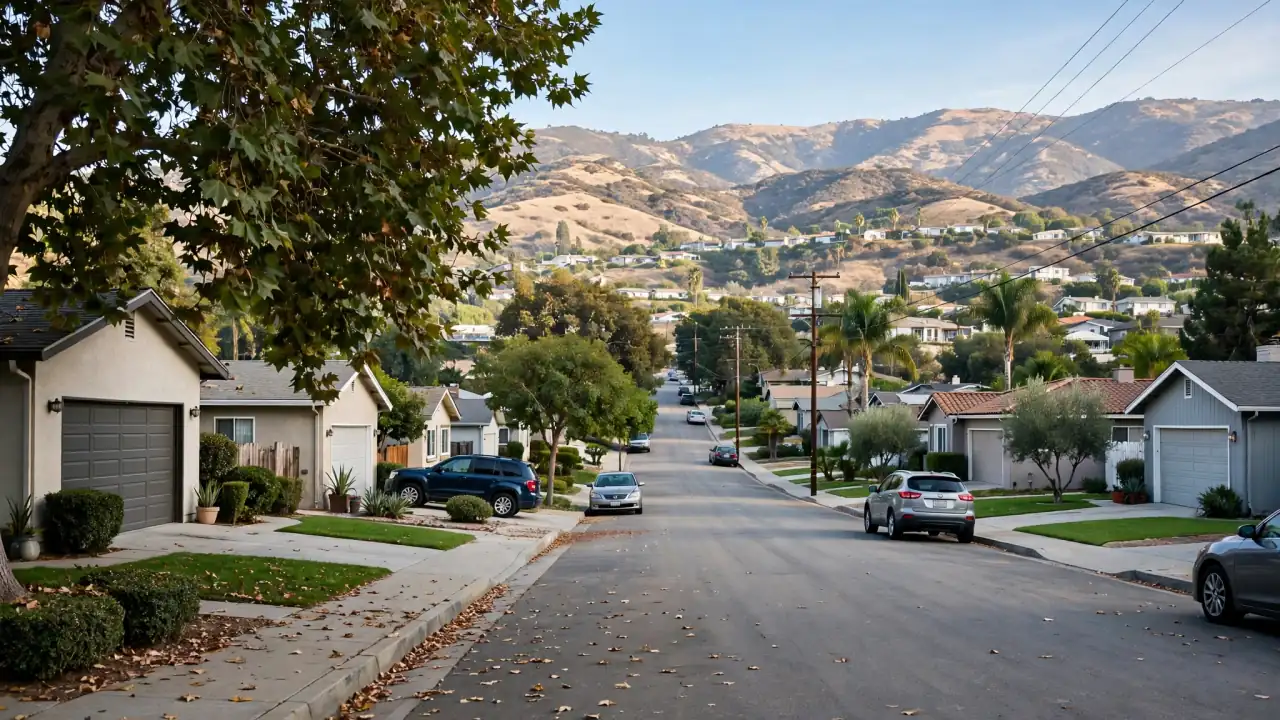
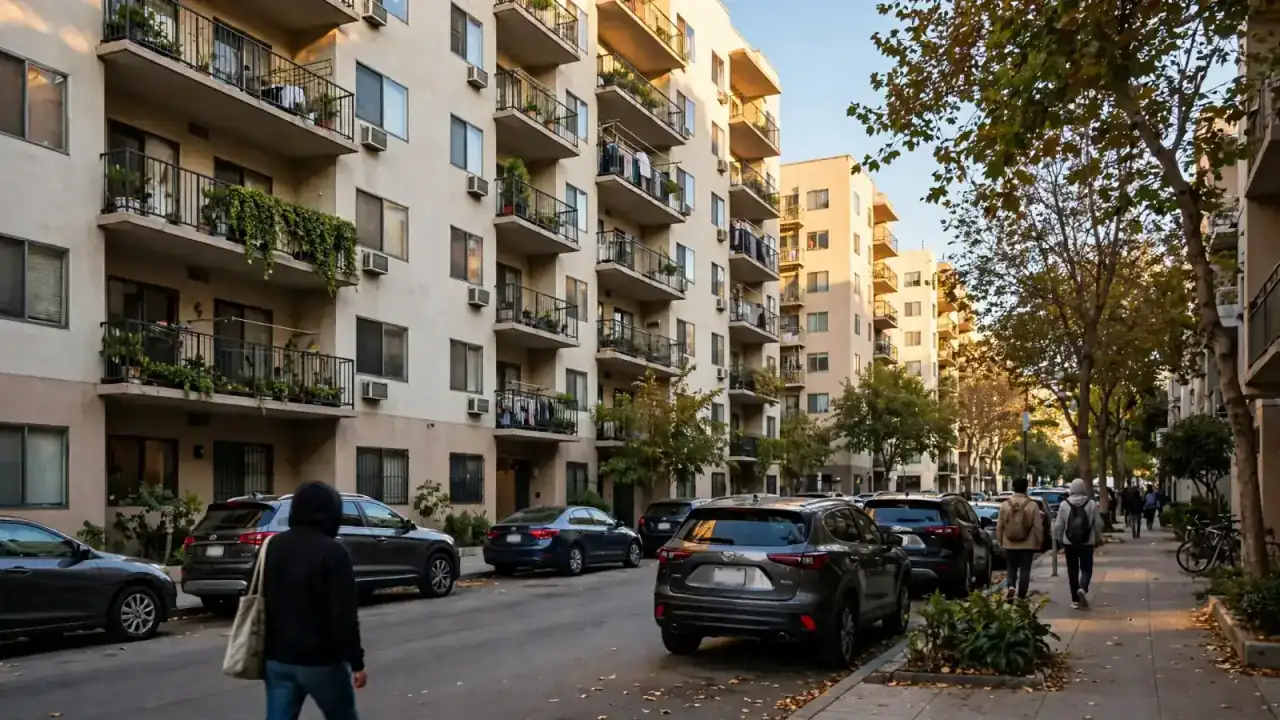
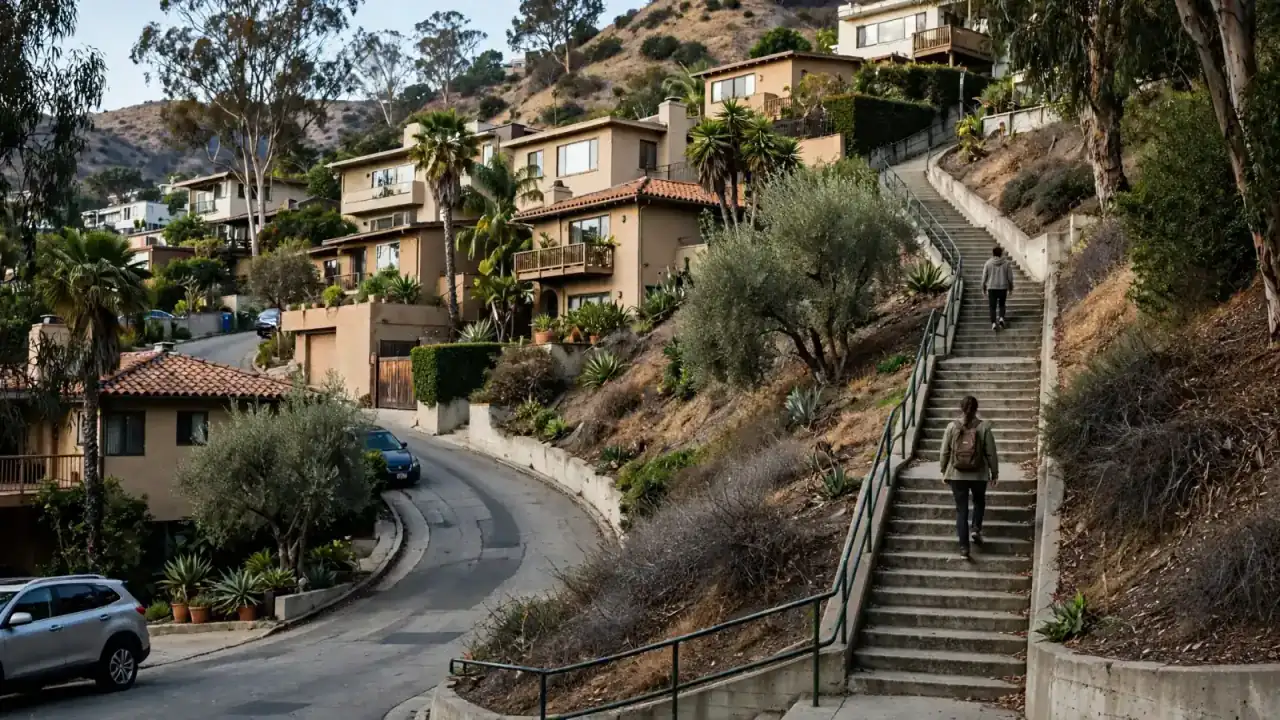
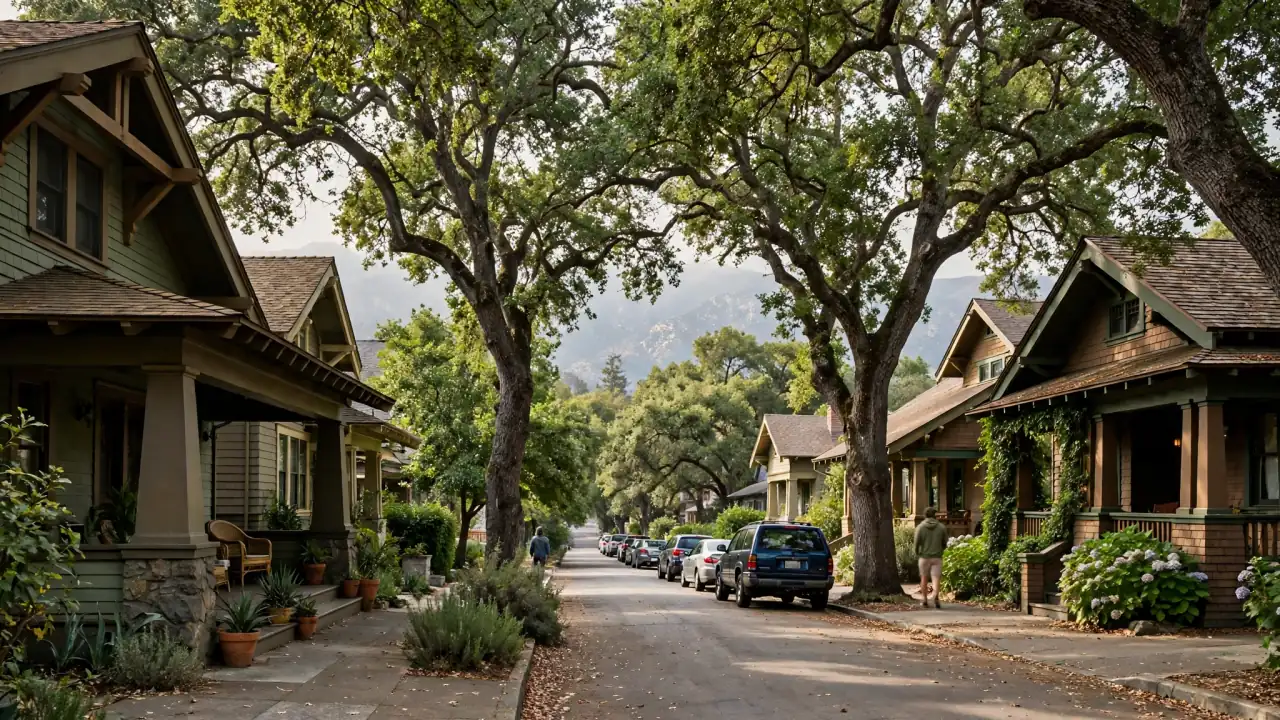
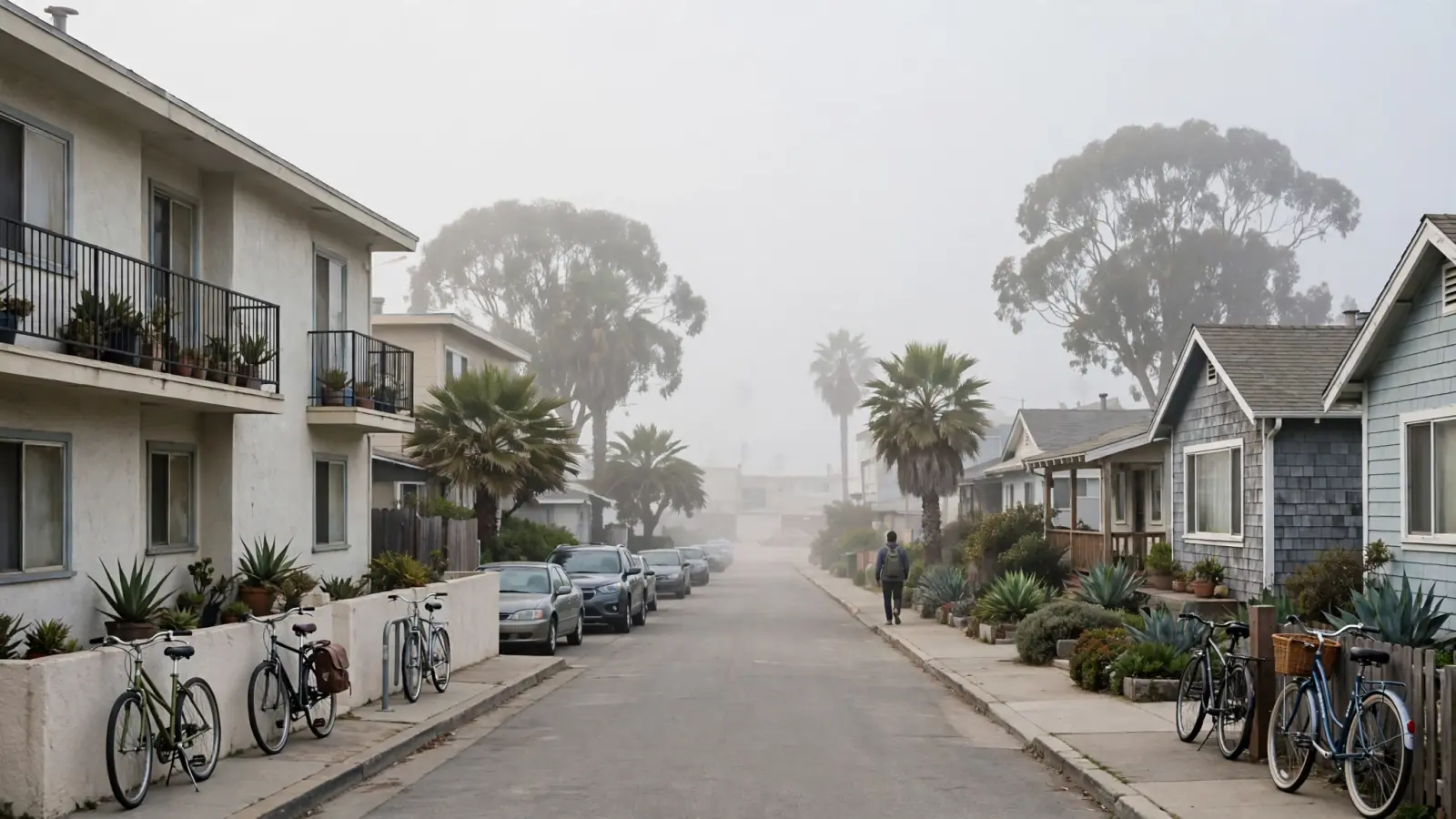
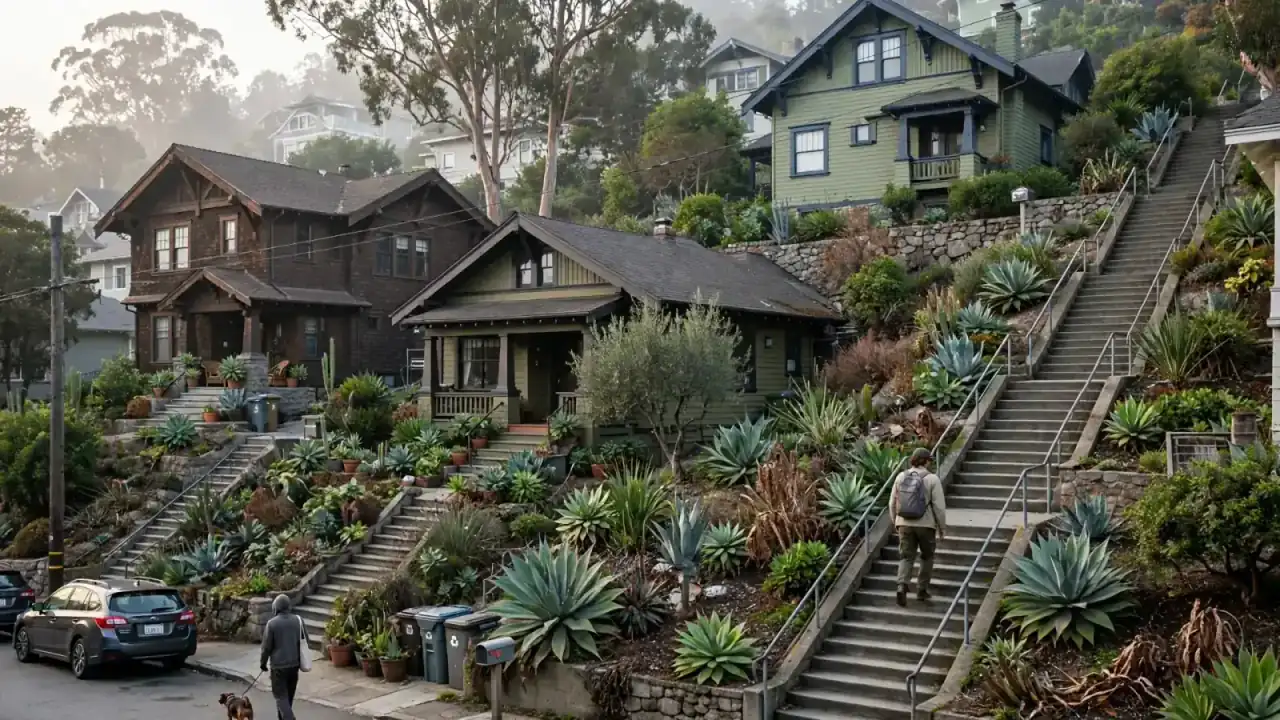
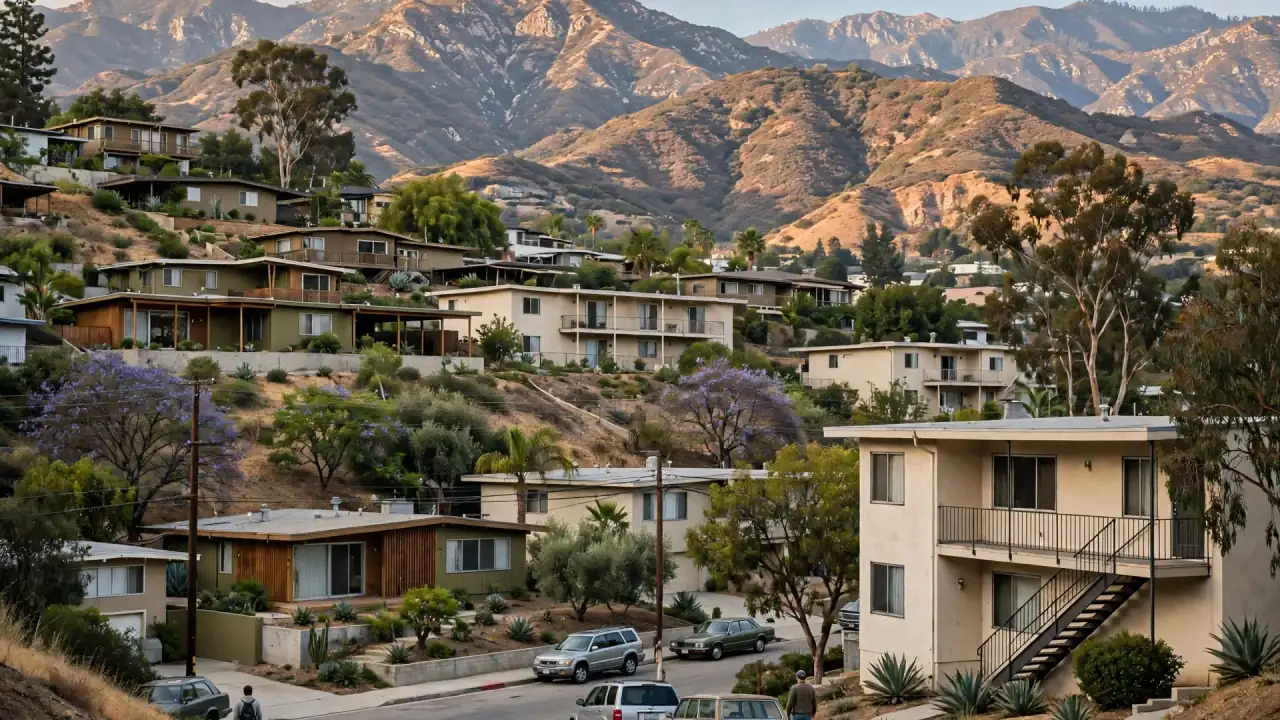
Glendale's housing ranges widely within a few miles. Near downtown and along the main boulevards, apartment and condo buildings from many decades dominate, from small courtyard buildings to large modern complexes. South and west Glendale have older single-family streets with homes from the 1920s through the 1950s. North of the freeway, neighborhoods climb into canyons and foothills below the Verdugo Mountains, where homes sit on slopes with long driveways and stairs.
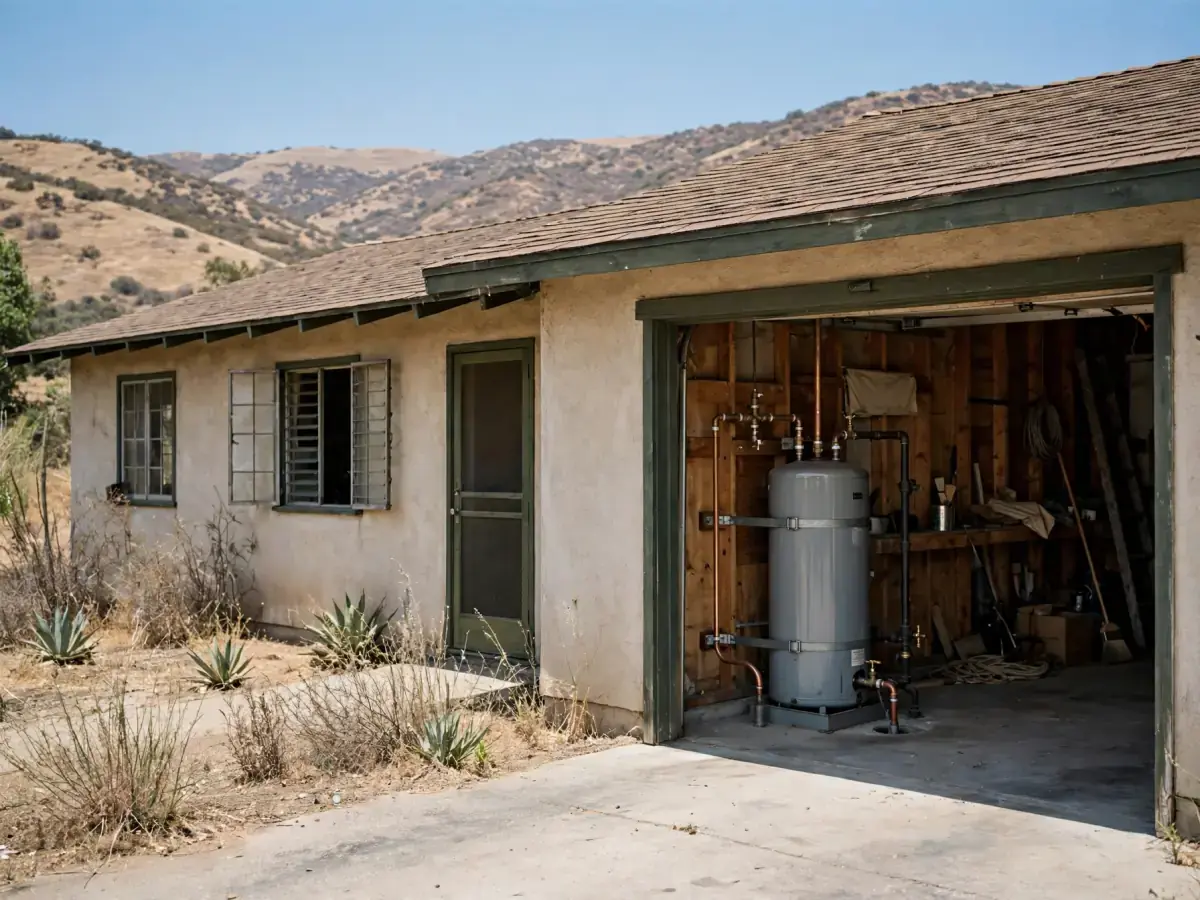
Water heaters follow the housing. Apartments and condos use compact electric or gas tanks in unit closets, or share central systems in a utility room. Older single-family homes often have heaters in attached or detached garages, back porches or exterior closets. Canyon and hillside houses frequently put the heater in a garage under the house, a lower-level utility room or a closet, with access that affects how a new tank is carried in.
Because the setups vary so much, a good diagnosis starts with knowing the building type, where the heater is, and who is responsible for it, especially in rentals and condos.
Common calls
What plumbers see most in Glendale
Closet heaters in apartments
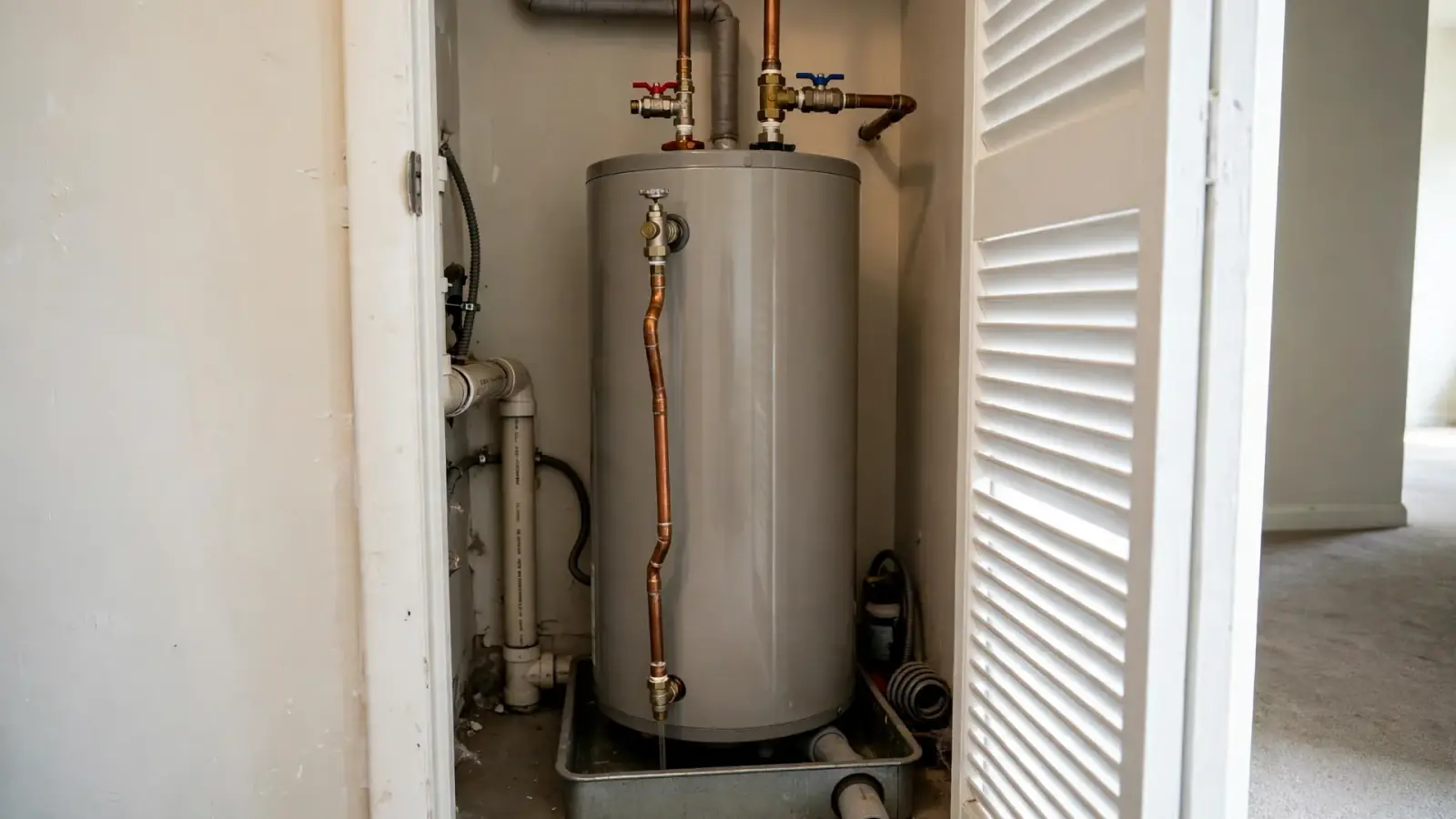
Small tanks in unit closets, often above or beside neighbors, where a slow leak can reach more than one home before it is noticed.
Central system complaints
Lukewarm water in larger buildings from failed recirculation pumps, mixing valves or a heater in a bank that has quit.
Hillside access
Long stairs, steep driveways and under-house garages that make replacements more involved.
Garage dust and pilots in Glendale
Lint and dust clogging the air intakes of flammable-vapor-resistant gas heaters, putting pilots out.
Pressure and expansion
Relief valves dripping after heating cycles in homes and buildings with pressure-reducing valves and no expansion tank.
Older strapping and venting
Older installations without two proper seismic straps, or with vent connectors that need correcting at replacement.
Utilities
Glendale Water and Power and the gas supply
Glendale operates its own municipal utility, Glendale Water and Power, which supplies water and electricity to the city [1]. Natural gas is supplied by the regional gas company. When something goes wrong, that split tells you who to call: water quality and electric service questions go to the city utility, while gas service, gas shut-offs and gas leaks go to the gas company.
Glendale's water is a blend of local groundwater and imported supplies, and its mineral content shapes how quickly sediment and scale build up in heaters. The city's annual water quality report is the best guide to the hardness at your address and to how often flushing or tankless descaling is likely to be needed.
Foothills and canyons
Canyon and foothill homes
North Glendale's canyon neighborhoods and the foothills toward Montrose and La Crescenta sit below the Verdugo Mountains, and much of that terrain is mapped by the state as fire hazard severity zones [3]. For water heaters, the practical points are keeping brush and stored combustibles away from outdoor heaters and exterior closets, keeping vent caps and terminations intact, and knowing how to shut off gas and water quickly.
Hillside homes also raise access questions. A replacement tank may need to be carried down steep stairs or through a narrow side yard, and parking on narrow canyon streets can be limited. Mentioning these details when you book lets the contractor plan time and people for the job. In some hillside homes the heater sits in an under-house garage or crawlspace, which is worth evaluating for relocation during a replacement.
Earthquakes
Earthquake readiness for Glendale water heaters
Glendale sits among several active faults, including the Verdugo fault running along the base of the mountains, and like the rest of Southern California it has to plan for strong shaking. An unbraced water heater can tip over in an earthquake, breaking its gas and water connections, which is why California requires every water heater to be braced, anchored or strapped [4].
Proper strapping means two metal straps around the tank, one in the upper third and one in the lower third, anchored into wall studs, with flexible water and gas connectors that can move without breaking. Many homes and buildings also have a seismic gas shut-off valve at the meter. If it closes during a quake, every gas appliance goes out, and service should be restored and pilots relit by the gas company or a qualified plumber.
After any noticeable earthquake, take a quick look at the heater: straps still tight, no new leaks at the connections, no gas smell, and the pilot still lit. In apartment buildings, report any concerns to the manager so all heaters can be checked.
Permits
Permits and inspections in Glendale
- City of Glendale permitsWater heater replacement is permitted through Glendale's building and safety division, not the Los Angeles Department of Building and Safety [2].
- What gets inspected in GlendaleGlendale inspectors look at the two seismic straps, the vent run, the flexible gas connector, air for combustion, where the relief valve line ends, and thermal expansion protection on closed systems [4].
- Montrose and La CrescentaParts of the Montrose and La Crescenta area are unincorporated and permitted by Los Angeles County; check which applies to your address.
- Historic districtsGlendale has designated historic districts; replacing a heater in place normally raises no issue, but visible exterior changes may need review.
By building type
Typical setups across Glendale
| Building type | Where the heater usually is | What to watch |
|---|---|---|
| Courtyard and mid-rise apartments | Unit closets or a shared utility room | Responsibility, leak protection, central system balance |
| Modern condo complexes | Interior utility closet, often electric | Drain pans, leak sensors, association rules |
| 1920s–1950s houses | Garage, back porch or exterior closet | Venting, strapping, space for a new tank |
| Canyon and foothill homes | Under-house garage, lower-level room or closet | Access, fire-zone clearances, leak risk |
| Post-war ranch homes | Attached garage | Garage dust, sediment, expansion control |
Renters and condos
Renters, owners and condo associations in Glendale
Many Glendale residents rent. Under California law, hot running water is part of a habitable rental home, so a failed water heater is normally the owner's responsibility to repair. Report it to the landlord or manager promptly, preferably in writing, and let them arrange the plumber. Owners and managers can use this service to connect with a licensed plumber quickly.
Condo owners are usually responsible for the heater serving their own unit, subject to association rules about contractors, insurance, work hours and leak protection. In buildings with a central system, the association maintains it. A single cold unit in such a building more often points to a valve or circulation issue in that branch than to the main heaters.
Central systems
Troubleshooting central hot water in larger buildings
Larger Glendale apartment buildings often heat water centrally with a bank of heaters or a boiler and a recirculation loop. When residents complain of lukewarm water, the cause is frequently not the heaters themselves. A failed recirculation pump lets water in the loop cool, so units far from the utility room wait a long time. A thermostatic mixing valve set too low, or failing, can make every unit lukewarm. One heater in a bank that has quit, or heavy sediment in one tank, reduces capacity at the morning peak.
A plumber working on a central system checks heater temperatures, the mixing valve output, the pump and the loop return before replacing anything. Owners can avoid many emergency calls by tracking heater ages and servicing pumps and valves on a schedule.
Climate
Glendale's climate and your heater
Glendale is warmer than the coast in summer and cooler at night in the canyons, and garages can swing widely in temperature. Warm garages suit heat pump water heaters, which draw heat from the surrounding air. In winter, colder incoming water makes heaters run longer, and a tank that was borderline in summer may start running out of hot water. That seasonal change is often the first sign of sediment buildup or an undersized heater.
In hillside homes where the heater sits in a cool lower level or under-house garage, a heat pump may run less efficiently or need ducting to a warmer space. A site assessment before choosing equipment avoids surprises.
Choosing a heater
Replacement options that suit Glendale homes
- Compact electric tankCommon in condos and apartments; pair it with a drain pan and leak sensor where a leak would reach neighbors.
- Like-for-like gas tank in GlendaleSimplest in houses with a working gas setup; correct straps, venting and expansion control at the same time.
- Tankless in GlendaleFrees closet space in houses and some condos; check gas supply, venting route and association rules.
- Heat pump water heater in GlendaleEfficient in garages and large utility rooms with a drain and suitable circuit; less suited to small closets without ducting.
Symptoms
Common Glendale symptoms and first steps
| What you notice | Likely cause | First step |
|---|---|---|
| Water collecting in the apartment closet pan | Leaking fitting, relief valve or tank | Shut off the cold supply and the gas or power; call |
| Whole building lukewarm | Recirculation pump, mixing valve or a failed heater in a bank | Report it to the manager; central system check |
| Relief line drips a little each time the burner runs | Pressure rising as water heats in a closed hillside system | Gauge the pressure; fit or recharge an expansion tank |
| Pilot keeps going out in a garage | Dust in the air intake or a worn thermocouple | Clean the intake; test the sensor |
| Pilot out after an earthquake | Automatic earthquake valve on the gas meter has tripped | Confirm the stove is also off; have the gas company or a plumber reset it |
Older homes
Bringing older installations up to standard
Glendale's older houses and apartment buildings often have water heater installations that were adequate decades ago but fall short of today's standards: a single strap or none, a rigid gas pipe instead of a flexible connector, a relief valve discharge that ends inside a closet, an aging vent connector, or no expansion tank in a closed system. Every water heater in California must be braced or strapped against earthquakes [4].
Doing this during a replacement is far easier than later, and it protects the new heater and the building.
Repair or replace
Repair or replace a Glendale water heater?
When the tank itself is failing, with water from the shell, rust at the base or rusty hot water on an older heater, replacement is the better choice.
If replacement makes sense, it is also the moment to decide whether a tankless or heat pump unit would serve the space better than another standard tank.
Owners and managers
Planning ahead for apartment owners and managers
Keeping a simple record of each heater’s install date, model and location makes it possible to replace aging tanks in planned groups, schedule work around tenants and pull permits in advance.
For buildings with central systems, servicing recirculation pumps and mixing valves on a schedule prevents most lukewarm-water complaints.
Maintenance
Maintenance that keeps a Glendale heater healthy
Flush sediment on the schedule in the manual, test the relief valve, have the anode rod checked every few years and keep the area around the heater clean and dry. Tankless units need periodic descaling and inlet filter cleaning. In apartments and condos, check that the drain pan line is clear and that any leak sensor still works.
Building owners with many unit heaters benefit from keeping a list of install dates, so heaters can be replaced in planned groups rather than one emergency at a time.
Safety
Gas and electrical safety
Gas heaters in closets and under-house garages depend on proper venting and combustion air. Soot, a smell of exhaust, condensation near the top of the heater or a pilot that keeps going out call for an inspection, and carbon monoxide alarms should be installed and tested near gas appliances. If you smell gas, leave first and call the gas company or 911 from outside.
Electric heaters run on 240-volt circuits. Burning smells, discolored terminals or a breaker that keeps tripping mean switching the breaker off and leaving it off until the heater is inspected.
The visit
How a Glendale service visit usually goes
- 1
Share the details in Glendale
Fuel type, age, location of the heater, building type and access: parking, elevators, gates or stairs.
- 2
Diagnose on site in Glendale
The plumber checks supply, burner or elements, venting, relief valve, straps and the tank's condition.
- 3
Finish and test in Glendale
The heater runs a full cycle while connections, venting and temperature are checked.
Access
Access and parking tips for Glendale visits
Tell the plumber about anything that affects access: building entry codes, assigned parking or loading areas, elevator reservations, steep driveways, stairs down to an under-house garage, or a narrow side yard to an exterior closet. Canyon streets can be narrow with limited parking, and downtown buildings often have rules about contractor parking and work hours.
If the heater is leaking, close the cold-water valve above it and shut off the gas or power before the visit, and clear the area around the heater so diagnosis can start right away.
Coverage
Glendale-area ZIP codes covered
Calls are connected with independent licensed plumbers who serve Glendale, including ZIP codes 91201, 91202, 91203, 91204, 91205, 91206, 91207 and 91208, along with the city's post office box ZIP codes. Nearby Montrose (91020), La Crescenta (91214) and Verdugo City (91046) are also served.
Which Glendale neighborhoods are served depends on the contractors taking calls at the time, so the plumber confirms your street when you phone.
Records
Keeping records for a Glendale property
For homes and apartment buildings alike, a short record for each heater, listing its location, install date, model and service history, saves time on every future visit. Owners of buildings with many closet heaters find that a simple spreadsheet, updated after each service call, is the easiest way to see which heaters are approaching the end of their working life.
FAQ
Questions from Glendale residents
Who issues water heater permits in Glendale?
The City of Glendale, through its building and safety division. Glendale is not part of the City of Los Angeles, so LADBS permits do not apply.
Who supplies water and gas in Glendale?
Glendale Water and Power supplies water and electricity. Natural gas comes from the regional gas company.
My apartment has no hot water. Who fixes it?
In a rental, the owner or manager normally arranges the repair. Report it promptly, preferably in writing.
Our whole building's hot water is lukewarm. Why?
In buildings with central systems, a failed recirculation pump, a mixing valve set too low or a failed heater in a bank are common causes. The building owner or association should arrange a check.
Do condo water heaters need a drain pan?
In a Glendale apartment, a leak can reach the unit below, so a piped drain pan is normally required; an automatic leak shut-off valve is a sensible extra.
Is my Montrose or La Crescenta address permitted by Glendale?
It depends on the exact address; parts of that area are unincorporated and permitted by Los Angeles County. Your contractor can confirm.
Can a tankless heater go in my condo?
Sometimes, depending on gas or electrical capacity, venting options and association rules. Electric tankless for a whole unit can need a very large electrical supply.
How long does a replacement take?
A garage swap often takes a few hours; condo closets, hillside access and tankless conversions take longer, and the inspection is scheduled separately.
What should I do if my closet heater is leaking?
Close the cold-water valve above the heater, turn off the gas control or the breaker, put down towels and call. In a building, also notify the manager or association.
Does my water heater need earthquake straps in Glendale?
Yes. California requires water heaters to be braced or strapped. The standard is two metal straps anchored to framing, with flexible connectors.
Are heat pump water heaters practical in Glendale?
Often in warm garages and utility rooms with space, a drain and a suitable circuit. Cool hillside basements and small condo closets may need ducting or another option.
Who should I call if I smell gas near the heater?
Leave the building without operating switches and call the gas company or 911 from outside. Do not try to relight or adjust the heater.
Can one plumber visit check several units in my building?
Yes. Owners and managers often schedule a single visit to inspect or replace several unit heaters, which is more efficient than separate emergency calls.
How often should a Glendale water heater be flushed?
Most manufacturers suggest once a year. Glendale Water & Power publishes an annual water quality report that shows how hard your water is, which tells you how fast sediment will build.
Is a permit needed for a water heater in Glendale?
Yes. Glendale is a separate city, so the permit comes from the Glendale building department rather than LADBS. Confirm with your plumber who obtains it.
Do you serve Glendale apartment buildings?
Yes. Owners and managers can call to arrange service for one unit heater or plan work across a building.