Key facts: Santa Monica
- Santa Monica is a separate city, so water heater replacement permits come from its own Building and Safety division [2].
- The City of Santa Monica operates its own water system, drawing heavily on local groundwater [1].
- Santa Monica has a rent control program, and in rentals the owner is normally responsible for keeping hot water working [3].
- Coastal salt air corrodes vent caps, cabinets and connectors on outdoor heaters faster than inland.
Santa Monica homes
What Santa Monica homes and water heaters are like
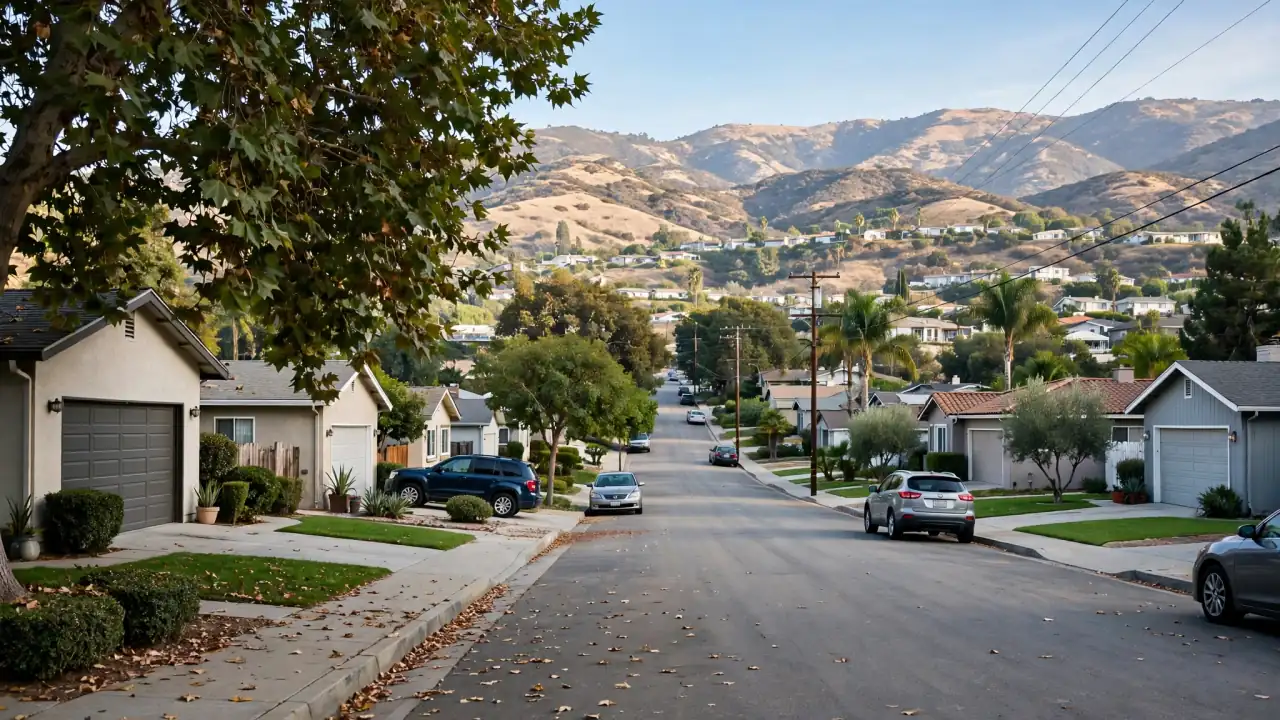
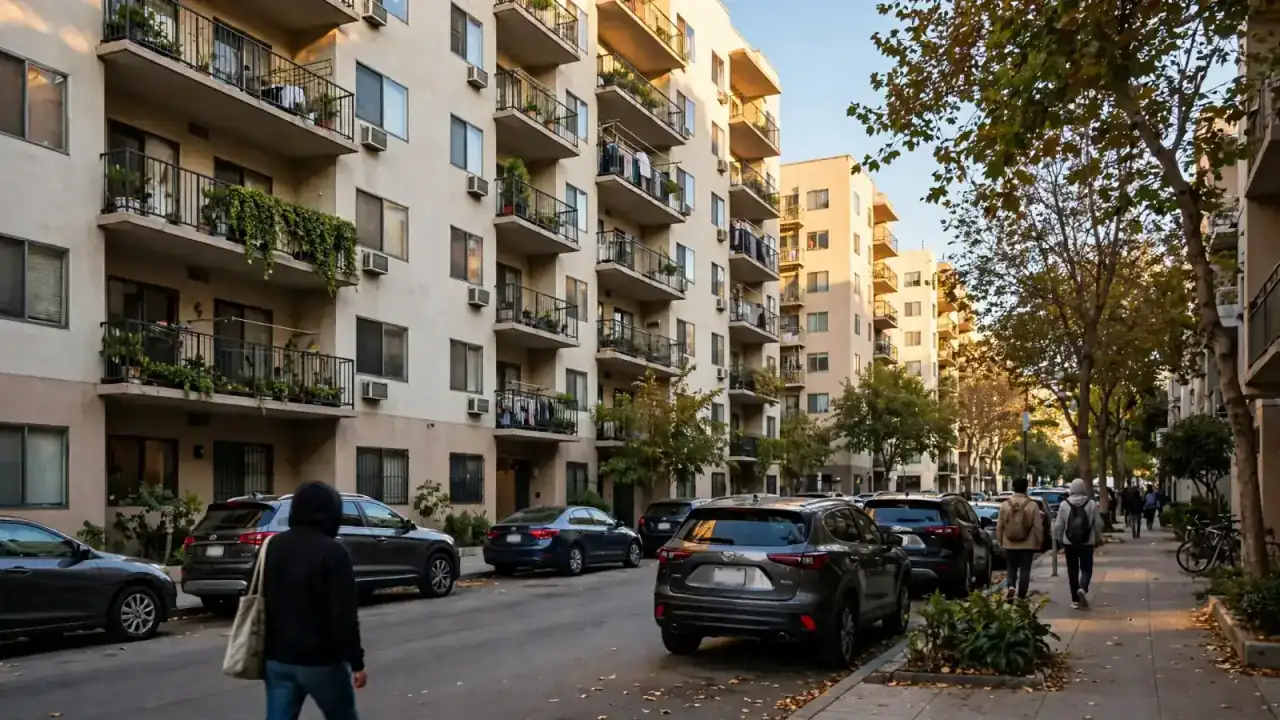
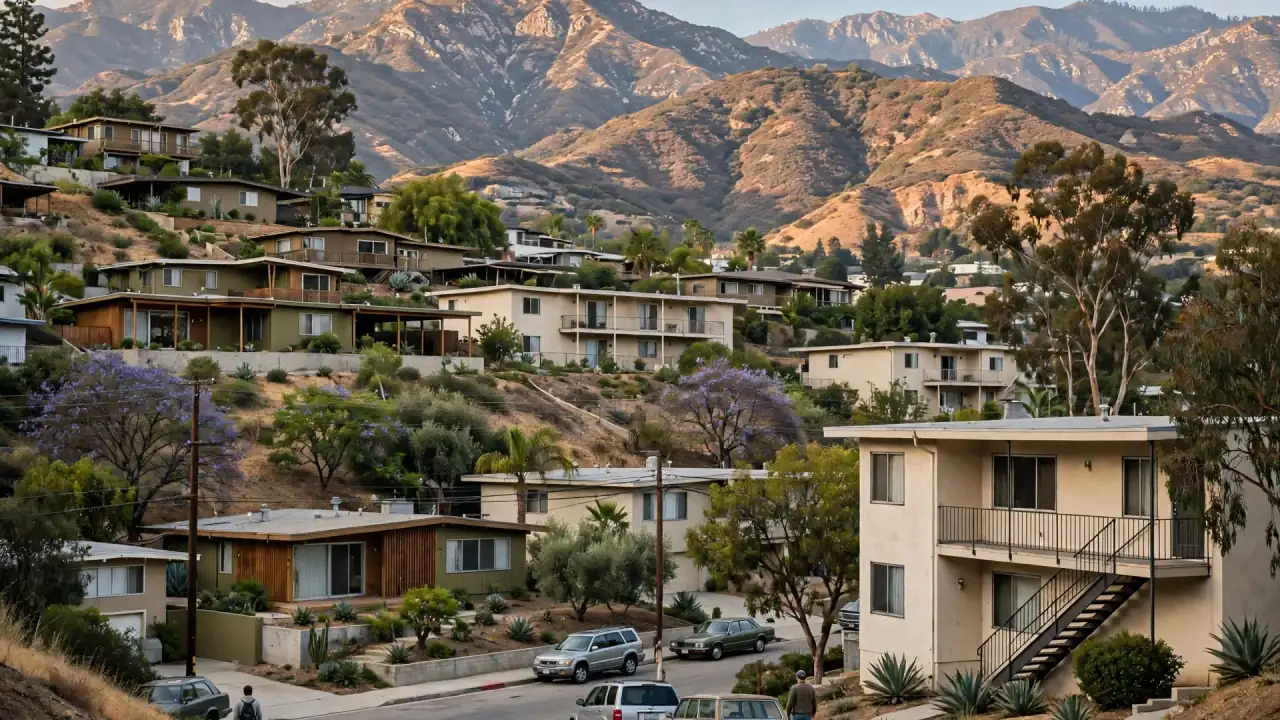
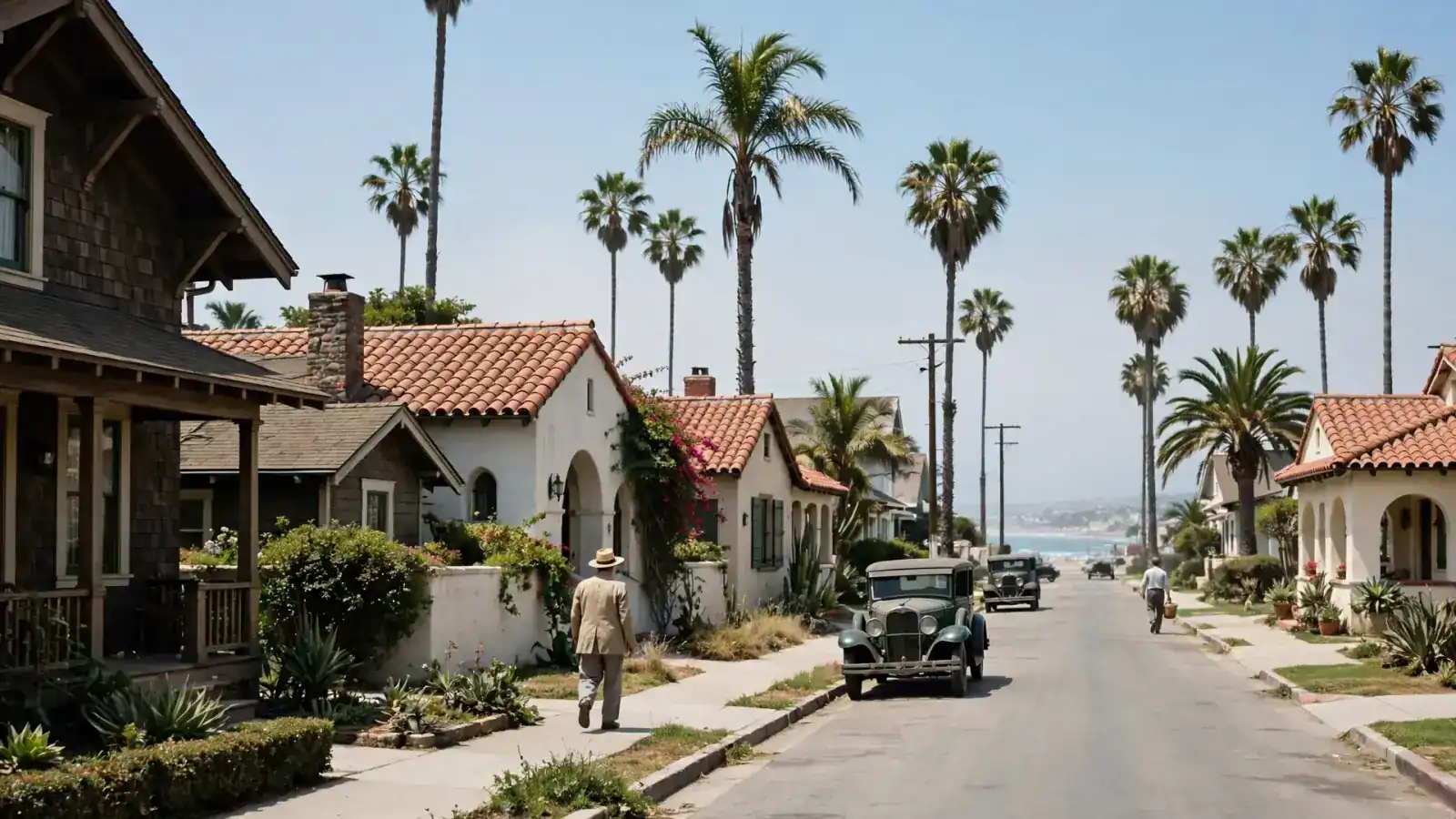
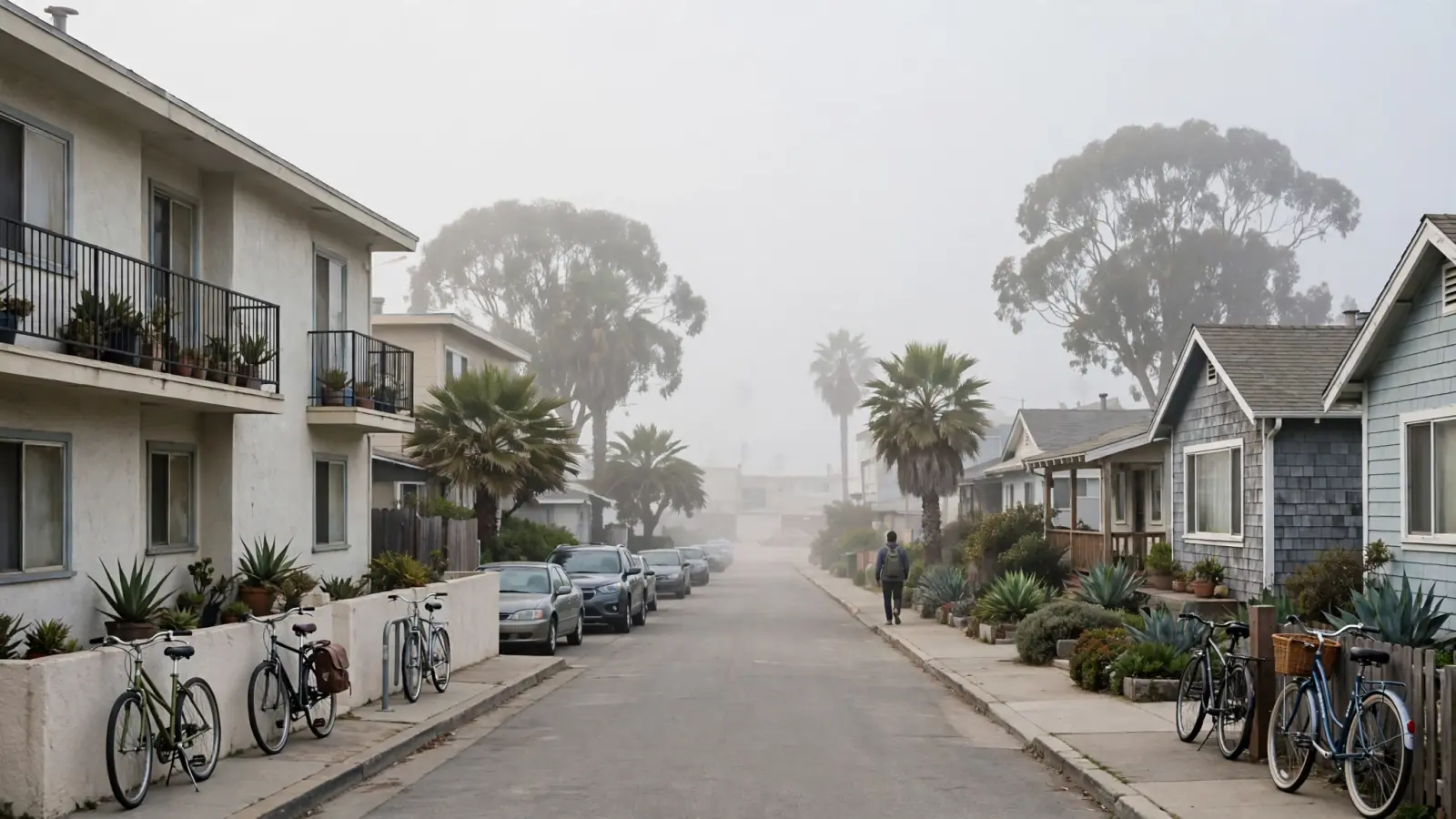
Santa Monica is compact and dense. Most residents rent, and the housing stock is dominated by apartment buildings, from small courtyard and garden apartments built in the mid-twentieth century to larger modern buildings near downtown and the main boulevards. Condos and townhomes fill many blocks, and single-family neighborhoods, especially north of Montana Avenue and in Sunset Park, hold older bungalows, Spanish-style homes and remodeled houses.
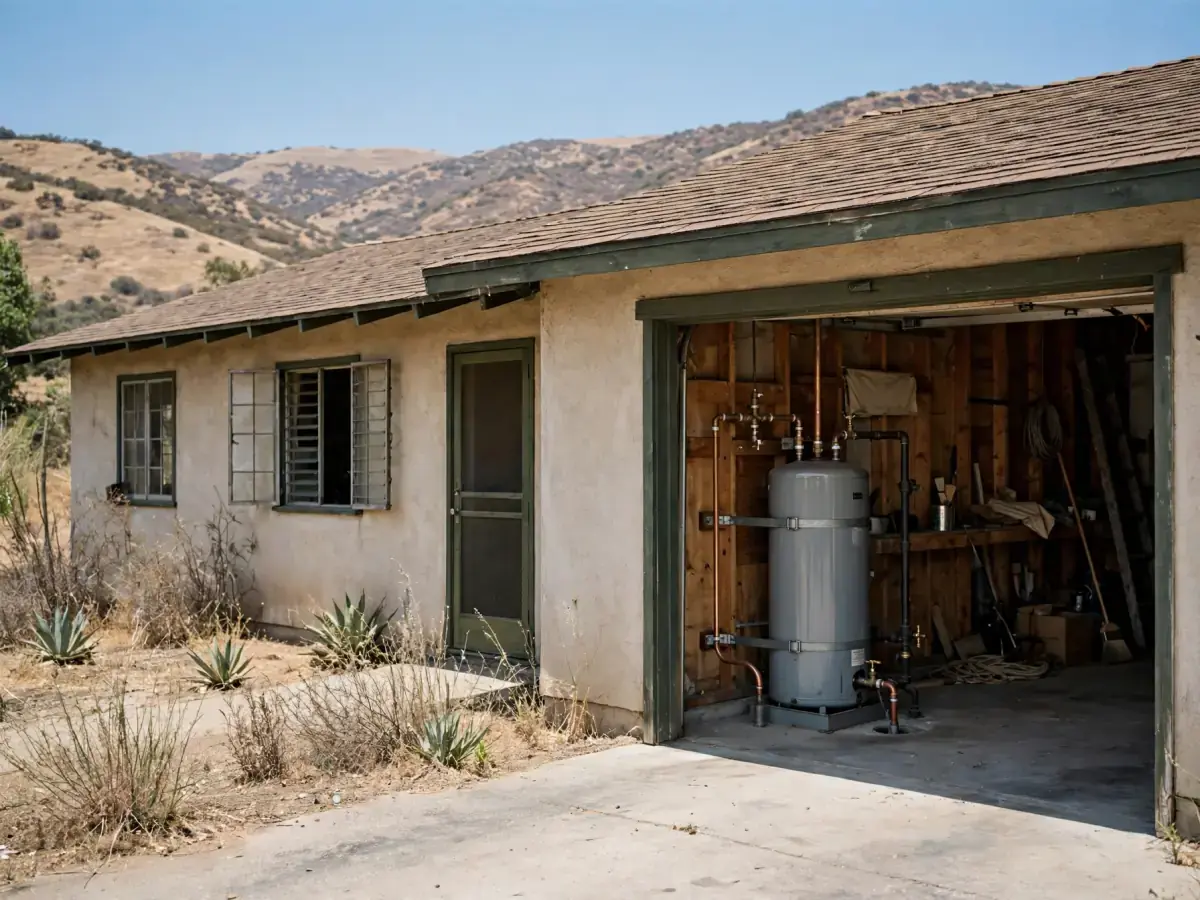
Water heaters follow those building types. Apartments may have a small heater in each unit closet or share a central system in a utility room. Condos typically have an electric or gas tank in an interior closet. Single-family homes use garage tanks, exterior closets or tankless units mounted on an outside wall. Near the ocean, anything mounted outdoors faces constant salt air.
Because so many homes are rented or in associations, the first question after a water heater fails is often who is responsible, not just what broke.
Common calls
What plumbers see most in Santa Monica
Unit heaters in apartments
Compact tanks in closets, often above neighbors, where slow leaks and aging tanks are the main concern.
Central system complaints in Santa Monica
Lukewarm water building-wide from recirculation pumps, mixing valves or a failed heater in a bank.
Coastal corrosion
Rusting vent caps, cabinets, fasteners and gas connectors on outdoor heaters and tankless units.
Condo leak protection
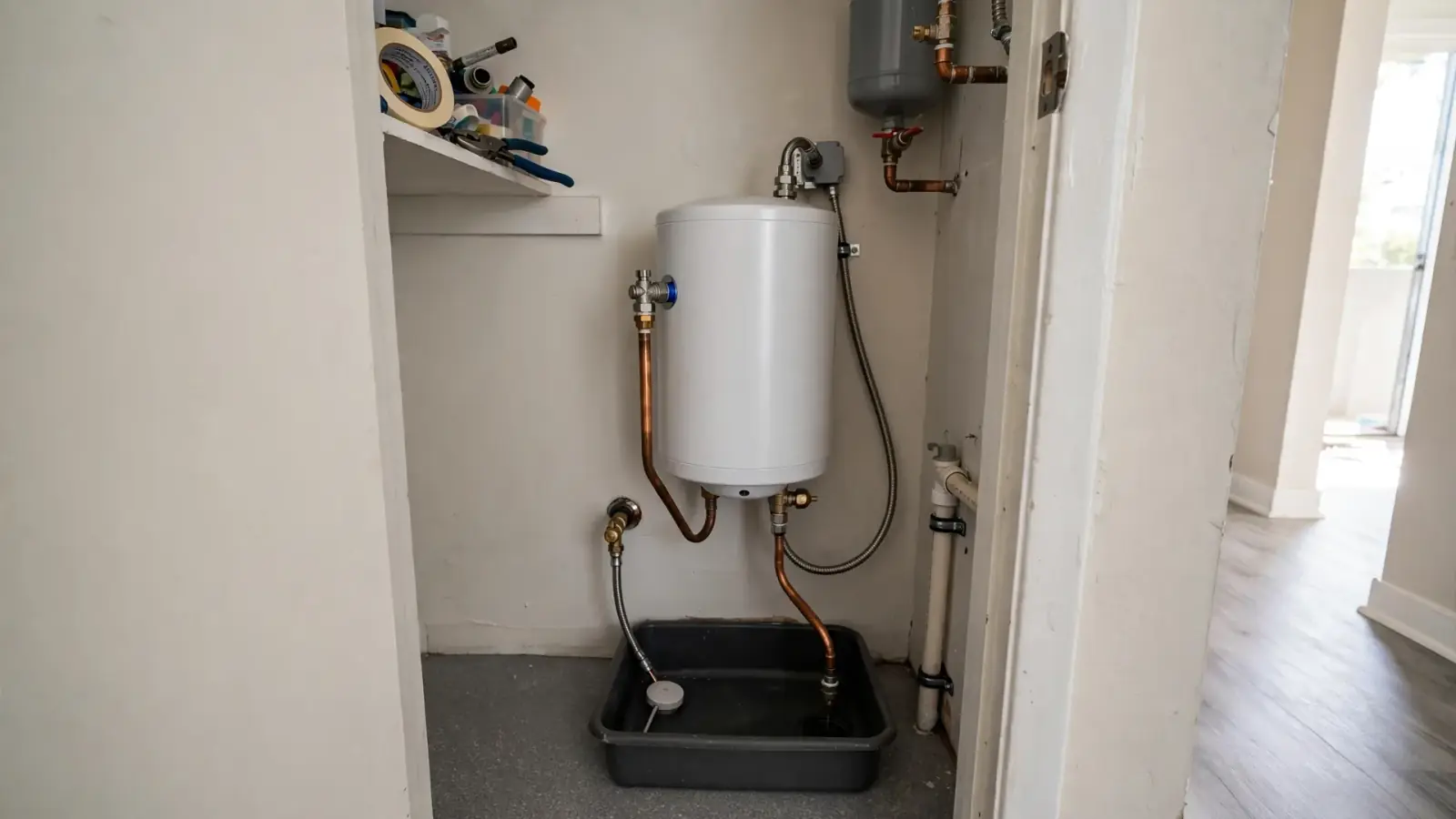
Drain pans without drain lines and missing leak sensors in interior closets above other units.
Tankless maintenance
Outdoor tankless units overdue for descaling, filter cleaning and vent inspection.
Electrification questions in Santa Monica
Owners asking about heat pump water heaters and local energy requirements during remodels.
Utilities
Santa Monica's water system and other utilities
Santa Monica operates its own municipal water system and has invested heavily in local groundwater and treatment, with a long-standing goal of relying less on imported water [1]. Electricity is supplied by the regional electric utility and natural gas by the regional gas company. Water quality questions go to the city; gas leaks, shut-offs and gas service go to the gas company.
Groundwater-based supplies tend to carry dissolved minerals, and mineral content shapes how quickly sediment builds in a tank and scale in a tankless heat exchanger. The city's water quality report is the best guide to hardness at your address, and to how often flushing or descaling is likely to be needed.
Rent control
Rent control, renters and owner responsibilities
Santa Monica has a long-standing rent control program administered by an elected Rent Control Board, which covers many of the city's older apartment buildings [3]. Separately, California law treats hot running water as a basic requirement of a habitable rental home. Together, that means a broken water heater in a rental is normally the owner's responsibility to repair promptly.
If you rent, report a lack of hot water to your landlord or manager quickly, preferably in writing, and let them arrange the plumber. This site connects calls with independent plumbers, so owners and managers can use it to get a licensed plumber scheduled; it does not give legal advice about tenant rights. The city's rent control office provides information on maintenance obligations for covered units.
Central systems
Central hot water in apartment buildings
Many Santa Monica apartment buildings heat water centrally with one or more large heaters or a boiler and a recirculation loop. When residents report lukewarm water, the heaters are not always at fault. A failed recirculation pump lets water in the loop cool, so units far from the utility room wait. A thermostatic mixing valve set too low, or failing, can make every unit lukewarm. One heater in a bank that has quit reduces capacity at the morning peak.
A plumber working on a central system checks heater temperatures, mixing valve output, the pump and the loop return before replacing anything. Owners avoid many emergency calls by servicing pumps and valves on a schedule and tracking heater ages.
Coastal air
Salt air and outdoor heaters
Close to the ocean, salt carried in the marine layer settles on outdoor metal and holds moisture against it. Vent caps, cabinet doors, screws, gas flex connectors and the jackets of outdoor heaters corrode noticeably faster in Santa Monica than a few miles inland.
Early corrosion is cosmetic, but a rusted-through vent cap can let wind and rain into the vent, and a corroded gas connector is a safety concern. A look at these parts during each service catches problems early, and choosing outdoor-rated units and venting kits with corrosion-resistant hardware pays off when a heater is replaced.
Permits
Permits and local rules in Santa Monica
- City of Santa Monica permitsWater heater replacement is permitted through Santa Monica's Building and Safety division, not the Los Angeles Department of Building and Safety [2].
- What gets inspected in Santa MonicaFor Santa Monica apartments and condos: straps top and bottom, a sealed vent, a flexible gas line, enough combustion air in the closet, a relief valve line run to an approved spot, and expansion control if needed [4].
- Local energy requirementsSanta Monica has adopted local building energy requirements that go beyond state code in some cases. Check current rules with the city before choosing equipment for a remodel or new construction.
- Venice and West LA are differentNeighboring Venice, Mar Vista and West Los Angeles are in the City of Los Angeles and use LADBS permits.
- Ask who pulls it in Santa MonicaCheck whether the quote covers the Santa Monica permit and any HOA paperwork.
By building type
Typical setups across Santa Monica
| Building type | Where the heater usually is | What to watch |
|---|---|---|
| Courtyard or garden apartments | Unit closets or a shared utility room | Responsibility, aging tanks, leak protection |
| Larger apartment buildings | Central heaters or boiler with recirculation | Pumps, mixing valves, peak capacity |
| Condos and townhomes | Interior closet, often electric | Drain pans, leak sensors, association rules |
| Single-family bungalows | Garage, exterior closet or outdoor tankless | Coastal corrosion, venting, strapping |
| Remodeled homes | Tankless or heat pump | Descaling, filters, local energy requirements |
Choosing a heater
Replacement options that suit Santa Monica homes
- Compact electric tank in Santa MonicaCommon in condos and apartments; pair with a drain pan, drain line and leak sensor.
- Heat pump water heater in Santa MonicaEfficient where there is space, airflow, a drain and a circuit; mild coastal temperatures suit them.
- Outdoor-rated tankless in Santa MonicaFrees space in houses; choose corrosion-resistant venting and check gas supply.
- Central system upgradeFor buildings, a properly sized central replacement with new pumps and mixing valves, based on real demand.
Symptoms
Common Santa Monica symptoms and first steps
| What you notice | Likely cause | First step |
|---|---|---|
| Pan under the condo heater is wet | Leaking fitting, relief valve or tank | Shut off the cold supply and power or gas; call |
| Whole building lukewarm | Recirculation pump, mixing valve or failed heater | Report to the manager; central system check |
| Outdoor heater rusting | Coastal corrosion | Inspect vent cap and connectors; plan ahead |
| Tankless shows an overheat code | Scale in the heat exchanger | Descale and clean the inlet filter |
| Relief line runs during morning showers | Building pressure regulator trapping expansion | Measure pressure; install or service a unit expansion tank |
Condos
Condos and townhomes
In most Santa Monica condos, the heater serving your unit is yours to maintain, even though a leak could damage the unit below. Associations often require licensed and insured contractors, set work hours and sometimes require replacement at a set age or specific leak protection. Check the rules before booking and share elevator, parking and access details with the plumber.
Where a leak would cause damage, a drain pan with a drain line is generally required, and an automatic leak shut-off valve is a sensible addition.
Electrification
Heat pump water heaters and electrification
Santa Monica has been an early mover on building energy policy, and interest in heat pump water heaters is high. They use far less electricity than standard electric tanks and suit the mild coastal climate, but they need space and airflow, a condensate drain and a suitable circuit [5].
In a condo closet, space and drainage are usually the limits; some units can be ducted or use a louvered door where the manual allows. In single-family homes, a garage or utility room is often a good fit. Ask about current local requirements and incentive programs before choosing equipment.
Earthquakes
Earthquake readiness in Santa Monica
Every water heater in California must be braced, anchored or strapped to resist earthquake movement [4]. The standard is two metal straps in the upper and lower thirds of the tank, anchored to framing, with flexible water and gas connectors. Many older installations, especially in apartment closets, fall short.
If your gas appliances all go out after a quake, a seismic shut-off valve may have closed; service should be restored by the gas company or a qualified plumber. Check straps and connections after any noticeable tremor.
Older installations
Bringing older apartment installations up to standard
Many of Santa Monica's mid-century apartment buildings still have unit heaters installed decades ago, sometimes replaced several times with parts reused along the way. Common shortfalls include a single strap or none, rigid gas piping instead of flexible connectors, relief valve discharge lines that end inside the closet, drain pans with no drain, and vent connectors that would not pass inspection today.
Owners
Planning for owners and managers
Keeping a record of each heater's install date, model and location lets you replace aging tanks in groups, schedule work around residents and obtain permits ahead of time.
For central systems, servicing recirculation pumps and mixing valves on a schedule prevents most lukewarm-water complaints.
Repair or replace
Repair or replace a Santa Monica water heater?
Single-family homes
Bungalows and single-family homes
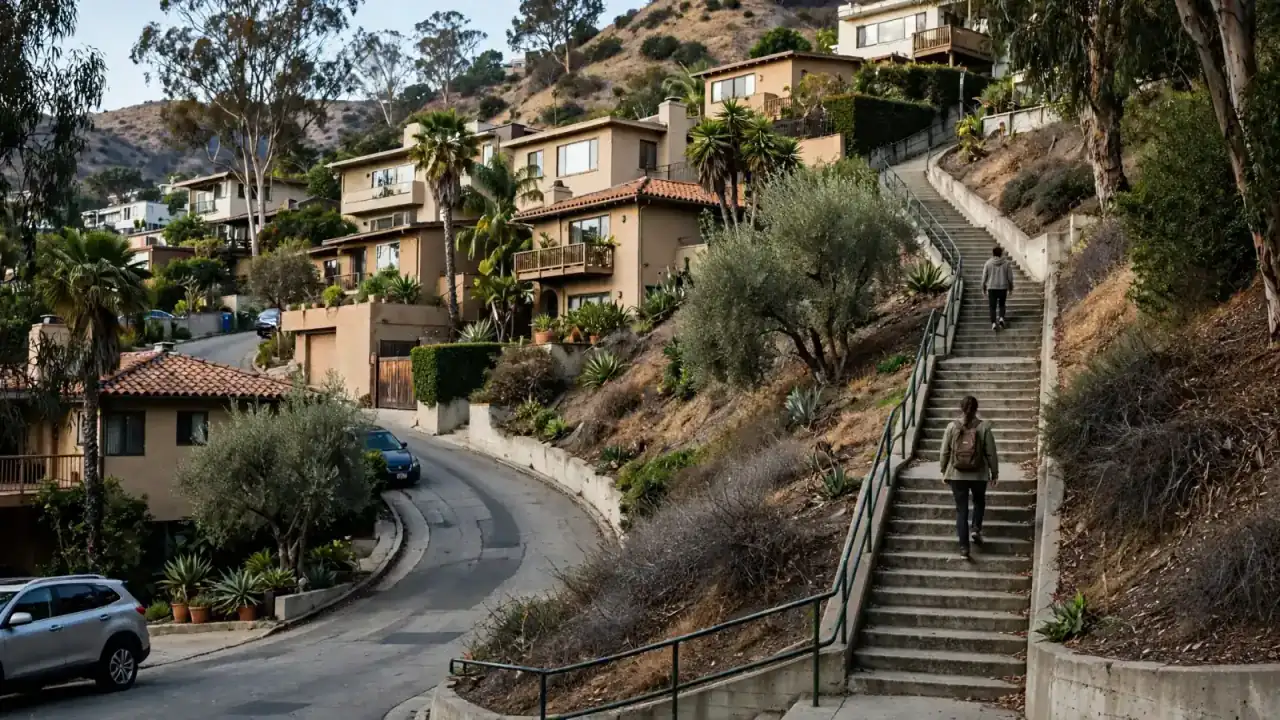
Santa Monica’s single-family neighborhoods include older bungalows and Spanish-style houses as well as extensively remodeled homes. In older houses, heaters often sit in garages or exterior closets, where coastal air, aging vent connectors and outdated strapping are the usual issues. Remodeled homes more often have outdoor tankless units or heat pump water heaters, where descaling, filter cleaning and vent inspection matter most.
If a bungalow’s heater sits far from the bathrooms, the wait for hot water can be long. A recirculation pump on a timer or push button, or a small point-of-use heater at a distant sink, shortens it without replacing the main heater. These options are worth discussing during any replacement, since the plumbing is already open.
Maintenance
Maintenance for Santa Monica heaters
Flush tanks on the schedule in their manuals, test relief valves and have anode rods checked every few years. Descale tankless units and clean their inlet filters. Near the coast, add a look at outdoor vent caps, cabinets and gas connectors to every service.
Building owners with many unit heaters benefit from a simple log of install dates so heaters can be replaced in planned groups rather than one emergency at a time.
Safety
Gas and electrical safety in apartments and condos
Gas heaters in apartment closets rely on sealed venting and adequate combustion air. Soot, a smell of exhaust, condensation near the top of the heater or a pilot that keeps going out call for an inspection, and carbon monoxide alarms should be installed and tested near gas appliances. If you smell gas, leave without operating switches and call the gas company or 911 from outside.
Electric heaters in condos run on 240-volt circuits. A burning smell, discolored terminals or a breaker that keeps tripping means switching the breaker off and leaving it off until a professional inspects the heater.
Access
Access and parking tips
Parking near the beach and downtown can be scarce, and many buildings have permit-only streets, garage gates and loading rules. When you book, share building entry instructions, parking options, elevator reservations and any association work hours.
If the heater is leaking, close the cold-water valve above it and turn off the gas or breaker before the plumber arrives, and clear the closet so work can start immediately.
The visit
How a Santa Monica service visit usually goes
- 1
Share the details in Santa Monica
Building type, unit or central system, heater location, fuel type and access: parking, elevator, gate or association rules.
- 2
Diagnose on site in Santa Monica
Supply, burner or elements, venting, relief valve, straps, drain pan and tank condition are checked.
- 3
Finish and test in Santa Monica
The heater runs a full cycle while connections, drainage, venting and temperature are confirmed.
Coverage
Santa Monica ZIP codes covered
Calls are connected with independent licensed plumbers who serve Santa Monica, including ZIP codes 90401, 90402, 90403, 90404 and 90405, along with the city's post office box ZIP codes. Nearby Venice (90291), Marina del Rey (90292), Pacific Palisades (90272) and West Los Angeles are also served. Brentwood and Westwood nearby are covered too.
Coverage reflects which independent contractors are accepting calls and can change; the plumber will confirm availability for your address when you call. Building managers can also call on behalf of residents. Calls are free to make.
Leak protection
Leak protection for Santa Monica condos and apartments
In a building where units share floors and walls, a water heater leak rarely stays in one home. A drain pan with a drain line under every closet heater, a relief valve line that ends in an approved location, and an automatic leak shut-off valve that closes the water supply when a sensor gets wet together form a simple layered defense.
Owners and associations can also ask residents to report drips, stains or a damp closet floor as soon as they notice them, and give each resident clear instructions for closing the water supply to their own heater in an emergency.
FAQ
Questions from Santa Monica residents
Who issues water heater permits in Santa Monica?
The City of Santa Monica, through its Building and Safety division. Santa Monica is a separate city, so LADBS permits do not apply.
My rent-controlled apartment has no hot water. Who fixes it?
The owner or manager normally arranges the repair, since hot water is part of a habitable home. Report it promptly, preferably in writing; the city rent control office has information on maintenance obligations.
Who supplies water in Santa Monica?
The City of Santa Monica operates its own water system. Gas comes from the regional gas company and electricity from the regional electric utility.
Our building's hot water is lukewarm everywhere. Why?
In central systems, a failed recirculation pump, a mixing valve set too low or a failed heater in a bank are common causes. The owner or association should arrange a check.
Does my condo water heater need a drain pan?
Because condo leaks can damage neighbors, expect to need a pan piped to a drain, and consider a sensor that shuts the water off automatically.
Are there special energy rules for water heaters in Santa Monica?
Santa Monica has adopted local building energy requirements that can go beyond state code, particularly for new construction and some remodels. Confirm current rules with the city or your contractor.
Why is my outdoor tankless unit rusting?
Coastal salt air speeds corrosion of vents, covers and fittings. Regular inspection and corrosion-resistant parts help; descaling keeps the inside healthy.
How long does a water heater replacement take?
A condo closet swap often takes a few hours; central systems, tankless and heat pump installations take longer, and the inspection is scheduled separately.
Is Venice covered too?
Yes. Venice is in the City of Los Angeles, so it uses LADBS permits rather than Santa Monica's.
What should I do if my closet heater is leaking in Santa Monica?
Close the cold-water valve above the heater, turn off the gas or breaker, put down towels and call. In a building, also notify the manager or association.
Can several apartment heaters be replaced at once?
Yes. Building owners can schedule several aging unit heaters in one planned project, which limits disruption for residents. Each heater needs its own permit.
How often should a Santa Monica water heater be serviced?
Follow the manual: commonly a yearly flush and relief valve test, an anode check every few years, descaling for tankless units, and a look at outdoor parts near the coast.
Do I need an expansion tank in Santa Monica?
Many Santa Monica buildings have pressure regulators, which trap expanding water, so an expansion tank is usually needed. Your installer confirms this for your unit.
Is a heat pump water heater practical in a Santa Monica condo?
Sometimes. Closet size, airflow and drainage are the usual limits; ducting or a louvered door may help where the manual allows. Association rules also apply.
Who handles water heater permits in Santa Monica?
Santa Monica has its own building and safety division. Your plumber should say who obtains the permit and when the inspection happens.
What should a Santa Monica renter do if hot water stops?
Tell the owner or manager in writing straight away, note the date and time, and ask when a plumber is booked.
Do you serve Santa Monica condos?
Yes. Call to arrange a visit; check your association rules on contractors and work hours first.