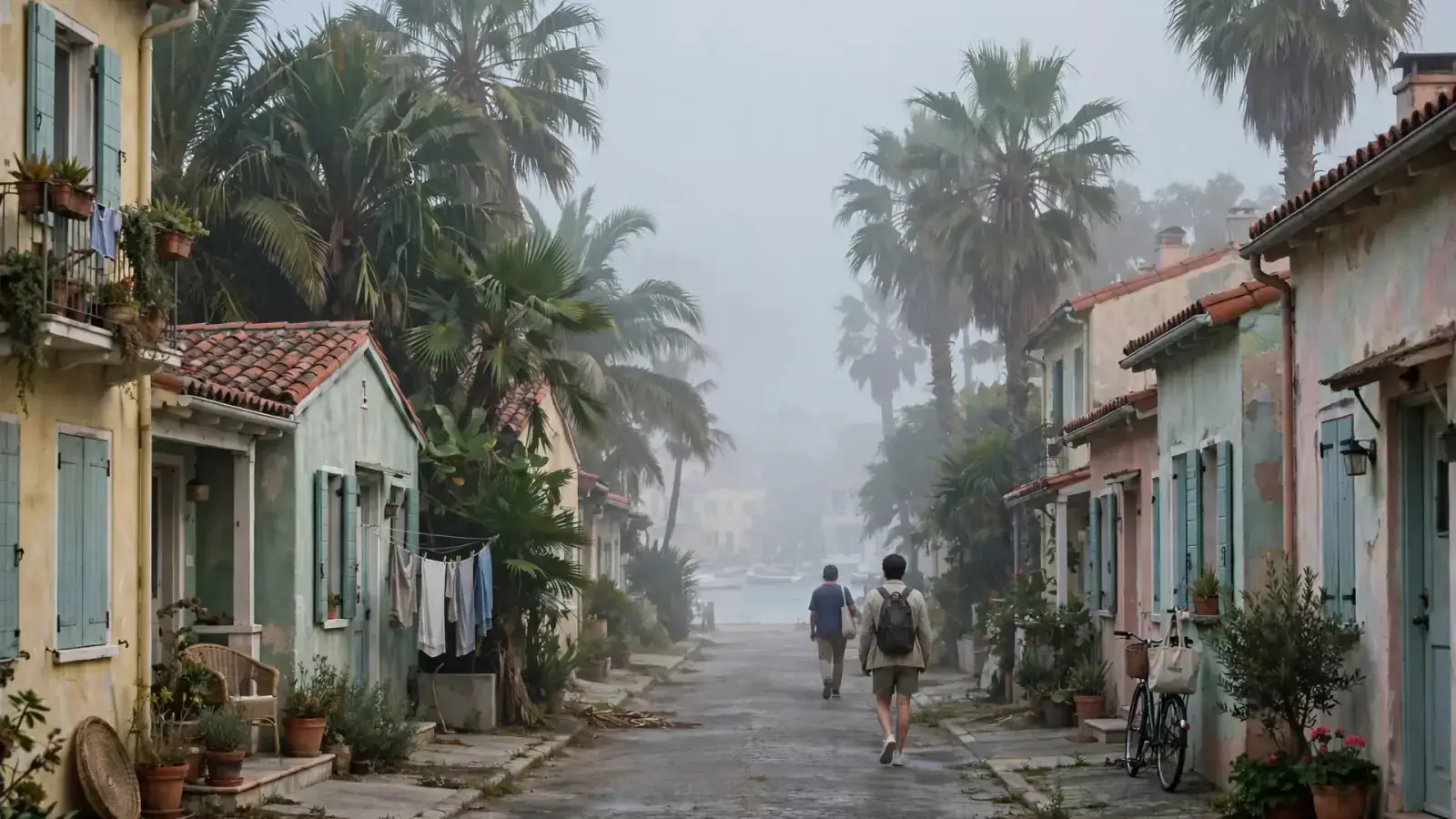
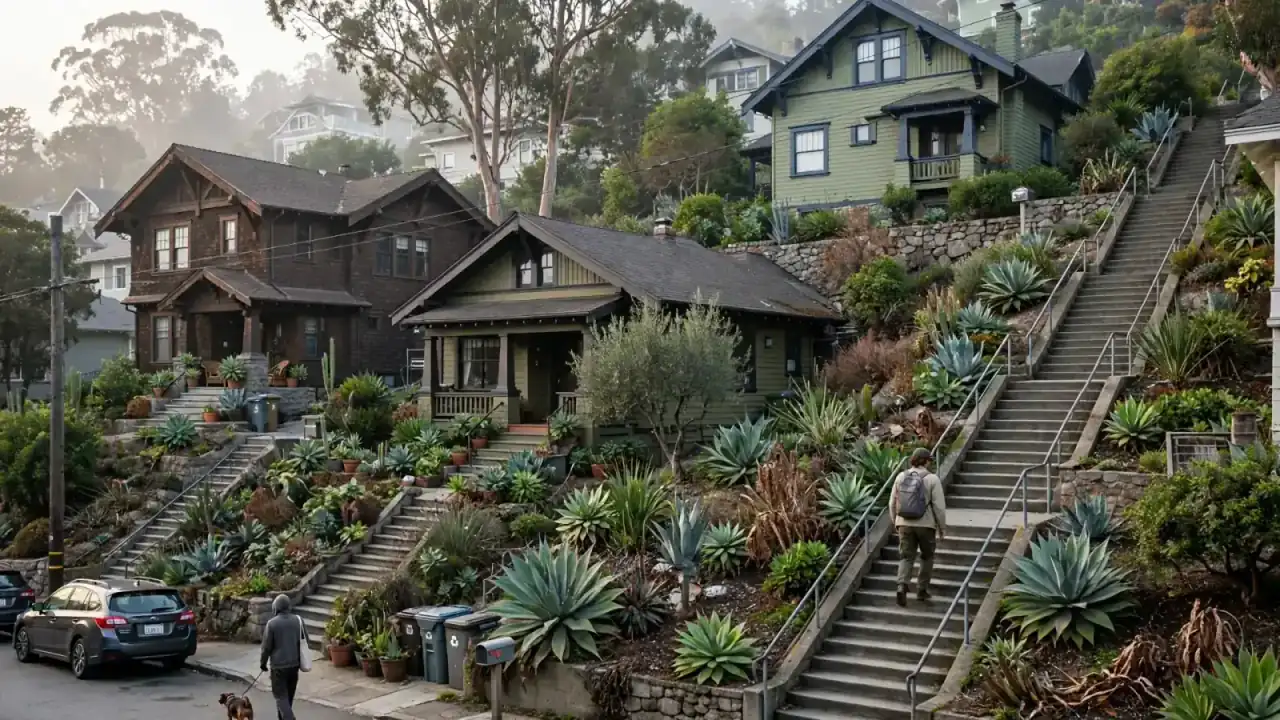
Key facts: Silver Lake and Echo Park
- Many homes date from the 1910s–1930s, with heaters added later in exterior closets or detached garages.
- Angelino Heights in Echo Park is a Historic Preservation Overlay Zone; visible exterior changes can need review [1].
- Older chimney and vent connections must suit the new heater; venting faults are a carbon monoxide risk [3].
- Silver Lake and Echo Park are in the City of LA, so replacement permits come from LADBS [2].
Older homes
What Eastside homes are like
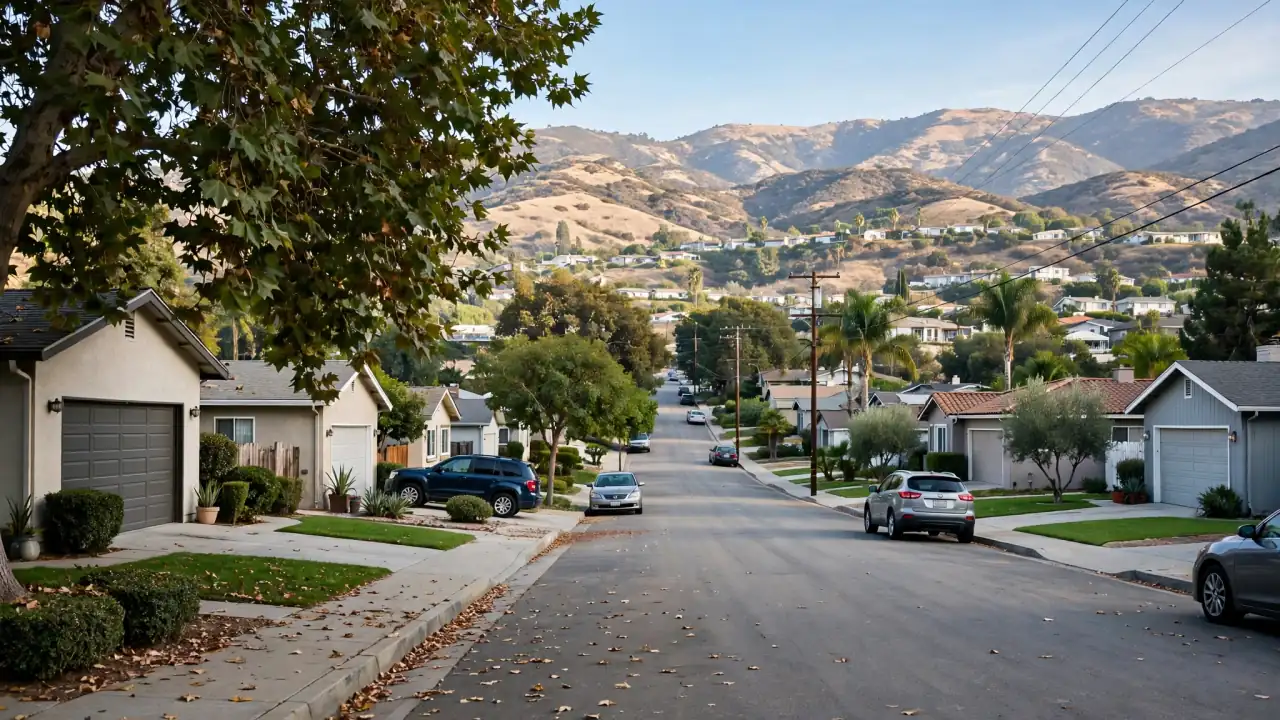
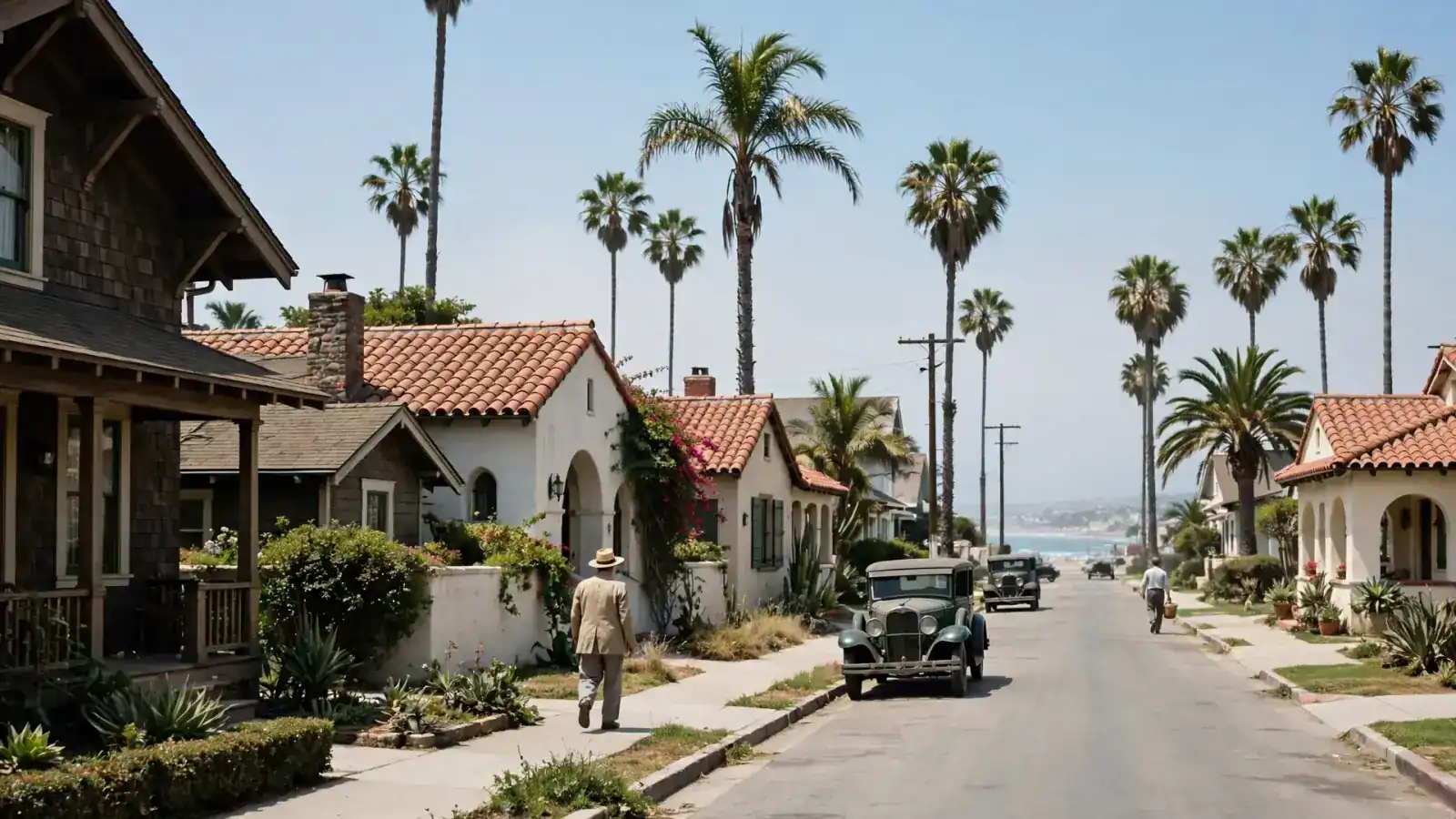
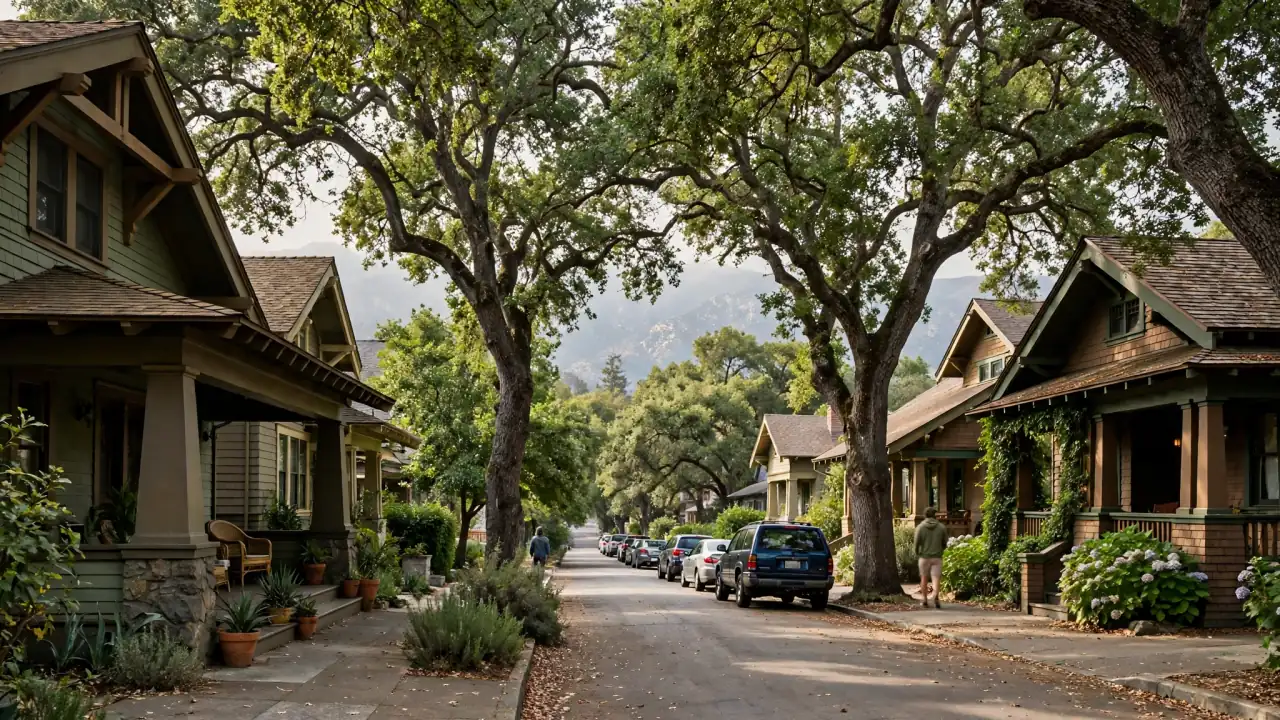
Many houses in Silver Lake, Echo Park and Los Feliz predate modern water heating layouts. Over the decades, owners and builders found room where they could: a closet built onto the back porch, a small cabinet against a side wall, a corner of a detached garage down the driveway, or a basement in a house that steps down its lot.
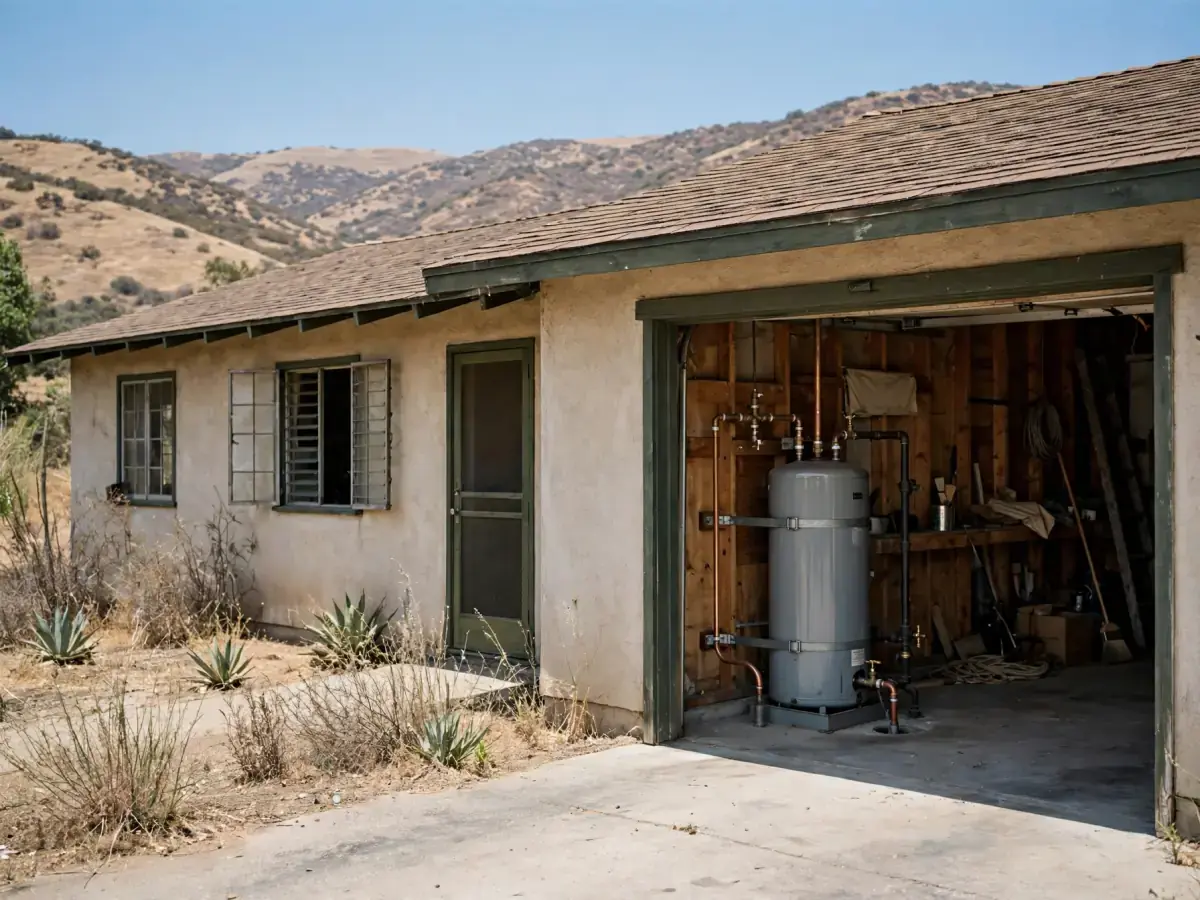
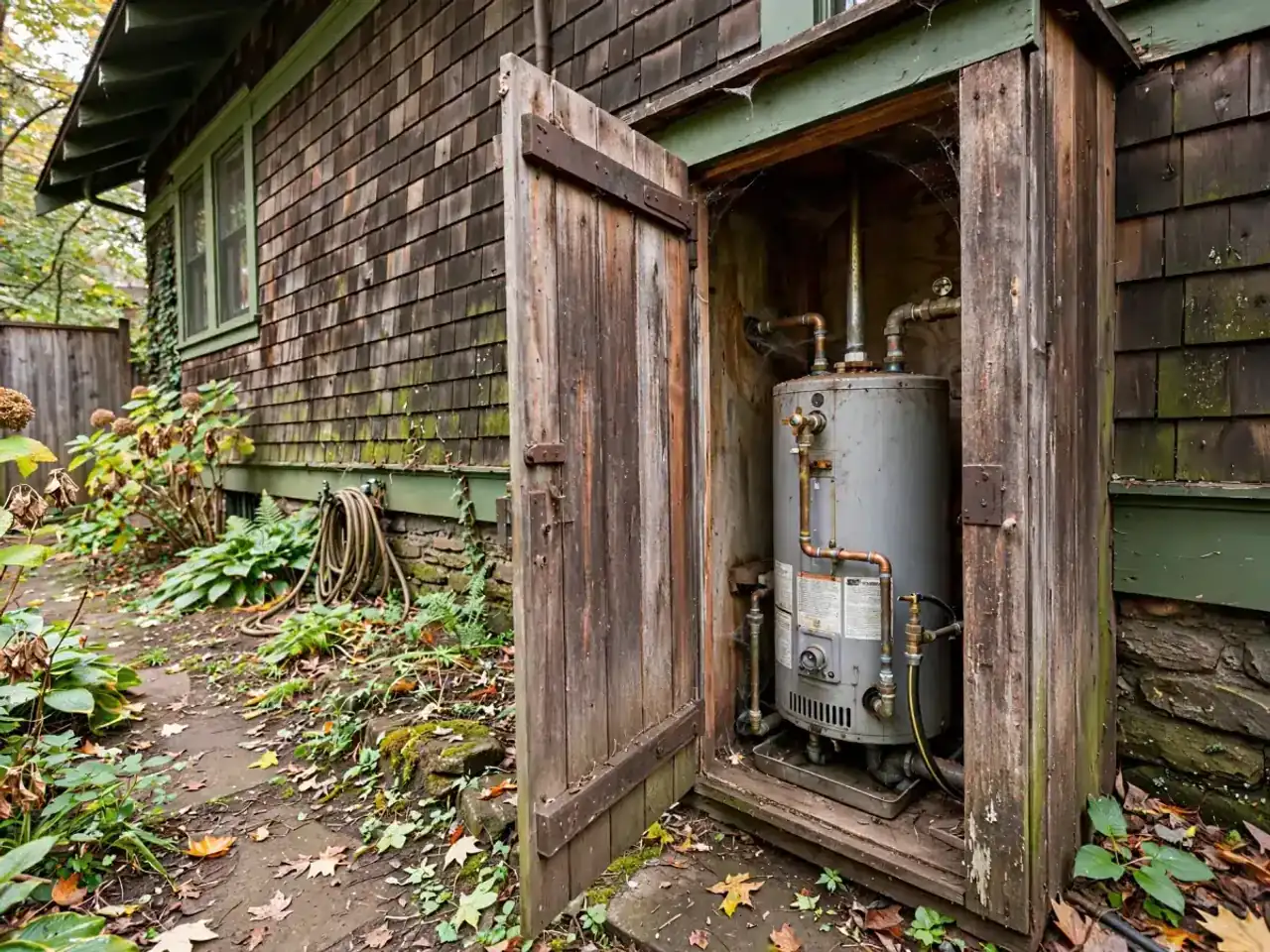
Exterior heater closets are especially common in these neighborhoods. They keep combustion out of the living space and suit the mild climate, but their doors, floors and vents weather over time, and a closet that was sized for a heater from the 1970s may not fit a current model without changes.
Common calls
What plumbers see most on the Eastside
Weathered exterior closets
Rotted floors, loose doors and leaves in the closet affect combustion air and can let water and debris reach the burner.
Old vent connections in Silver Lake and Echo Park
Heaters venting into old chimneys or through improvised connectors need careful checks for proper draft and correct vent materials.
Galvanized piping
Older galvanized supply pipes rust inside, causing discolored water on both hot and cold sides and poor flow.
Long runs to fixtures
Heaters in back closets or detached garages can mean a long wait for hot water at the far end of the house.
Historic districts
Historic Preservation Overlay Zones
Los Angeles has a number of Historic Preservation Overlay Zones, including Angelino Heights in Echo Park, one of the city's oldest. [1] In an HPOZ, exterior changes visible from the street can need review by the city's planning department. Replacing a water heater inside an existing closet normally does not raise that question, but moving it, adding an exterior vent or building a new enclosure might.
If your home is in or near a historic district, mention it when you call. A contractor familiar with older Los Angeles homes will plan the replacement to stay within the existing footprint where possible.
Venting
Venting in older houses
A gas water heater must vent its exhaust safely outside. [3] In older houses, heaters were sometimes connected to existing masonry chimneys, or vented with connectors that would not pass an inspection today. When a new heater is installed, the venting must be correct for that appliance, which can mean a chimney liner, a new vent pipe or a different heater type.
Signs of a venting problem include soot around the burner door, a heater that keeps shutting off, condensation dripping from the vent, or a smell of exhaust. Any of these deserves prompt attention and a working carbon monoxide alarm nearby.
Tips
Practical tips for older Eastside homes
- Keep exterior heater closets clear of leaves, stored items and garden tools.
- Check that closet doors still close and that combustion-air openings are not blocked.
- If hot and cold water are both discolored, have the supply piping checked before blaming the heater.
- Ask about a recirculation option if hot water takes a long time to reach the far end of the house.
Long pipe runs
Detached garages and long pipe runs
In homes where the heater sits in a detached garage or a back-porch closet, hot water may travel a long way to reach a bathroom on the far side of the house. Each foot of pipe holds water that has cooled since the last use, so the wait can be long and a lot of water goes down the drain while you wait.
Options include a recirculation pump with a timer or on-demand button, insulating accessible hot water lines, or a small point-of-use heater near a distant fixture. Which makes sense depends on the layout and on how the household uses hot water.
Electrical service
Older electrical service and electric upgrades
Some older Eastside houses still have small electrical services that were never designed for modern loads. That matters if you are considering a switch from gas to a heat pump water heater, an electric tank or electric tankless. A heat pump unit's requirements are modest, while a whole-house electric tankless heater can need a very large supply.
Before choosing an electric option, have the panel capacity checked. Sometimes the right answer is a heat pump unit sized to the existing service; sometimes it is staying with gas for now and planning an electrical upgrade separately.
Before the visit
Planning a visit to an older hillside home
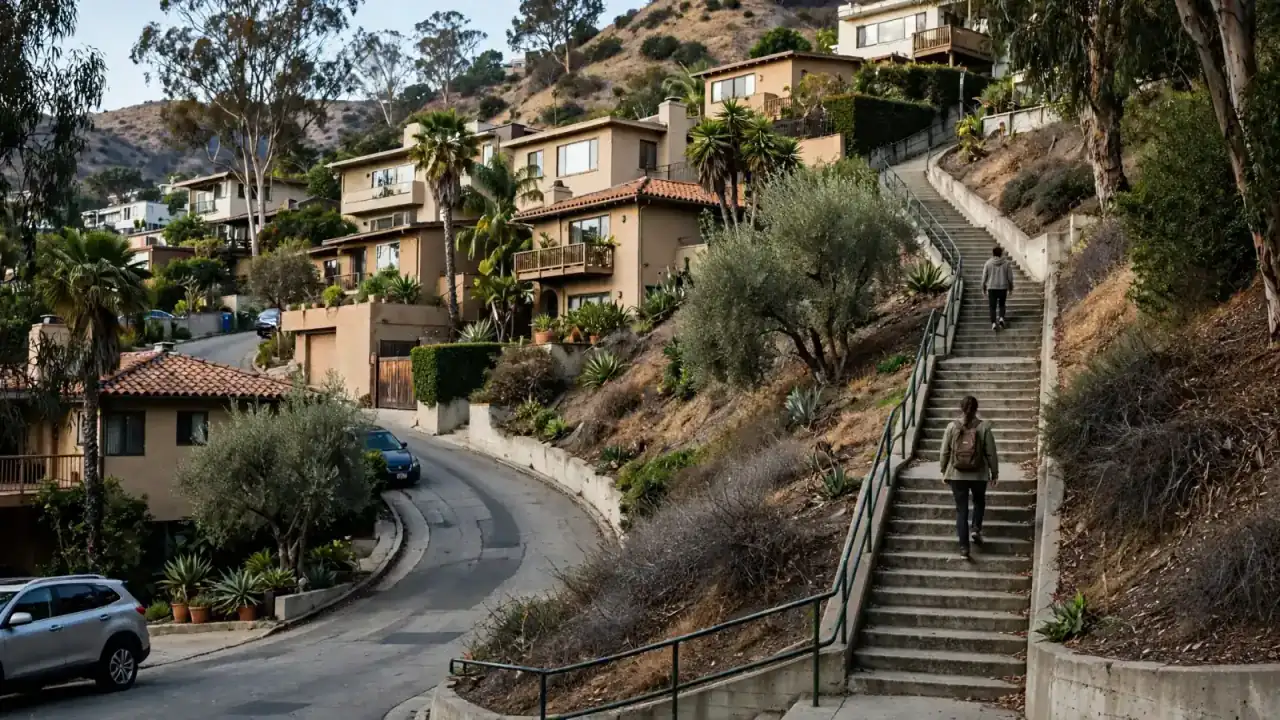
Many Eastside streets are steep and narrow, and some houses are reached by public stairways or long private steps. Let the plumber know if a new tank will need to be carried up or down stairs, where they can park, and whether the heater is in an exterior closet, a basement or a detached garage.
It also helps to mention anything you know about the house's history: a recent repipe, an old chimney the heater vents into, or past repairs. In older houses those details often explain why a heater behaves the way it does.
Coverage
Eastside neighborhoods covered by this service
The plumber confirms availability for your exact address when you call. These are the neighborhoods most often served from this page.
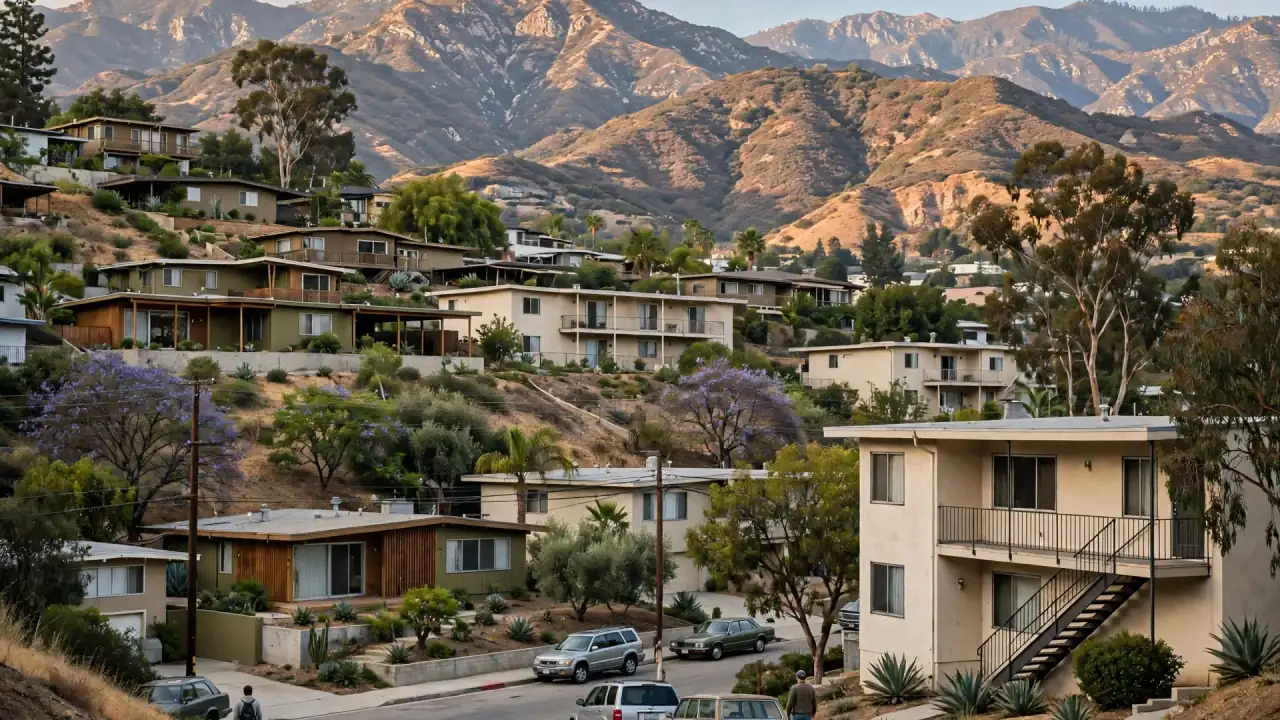
- Silver LakeHillside homes around the reservoir, 1920s Spanish and Craftsman houses, and mid-century modern homes on steep streets.
- Echo Park and Angelino HeightsSome of the oldest housing in the city, including Victorian homes in the Angelino Heights historic district, alongside bungalow courts and small apartment buildings.
- Los FelizLarger 1920s and 1930s homes in the hills and duplexes and apartments on the flats near Hillhurst and Vermont.
- Elysian Heights and Elysian ValleySmall hillside homes near Elysian Park and the river, many with heaters in tight closets or exterior cabinets.
Bungalow courts
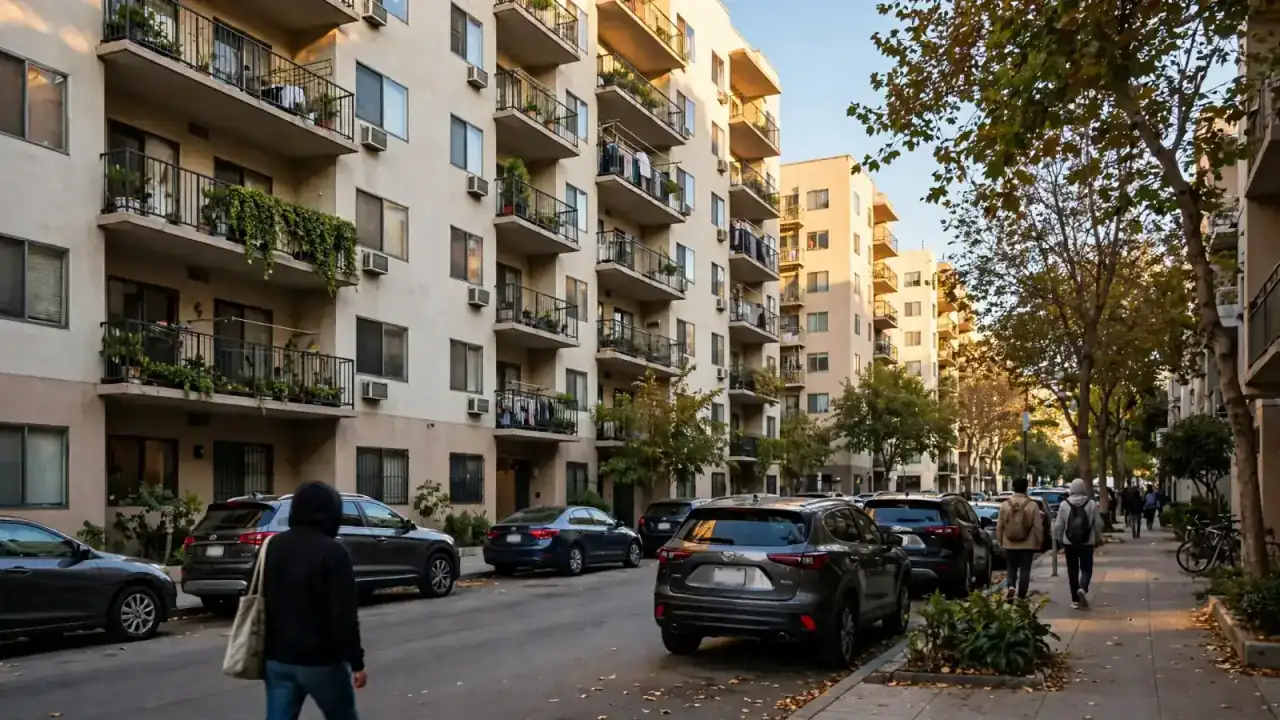
Bungalow courts, duplexes and small apartment buildings
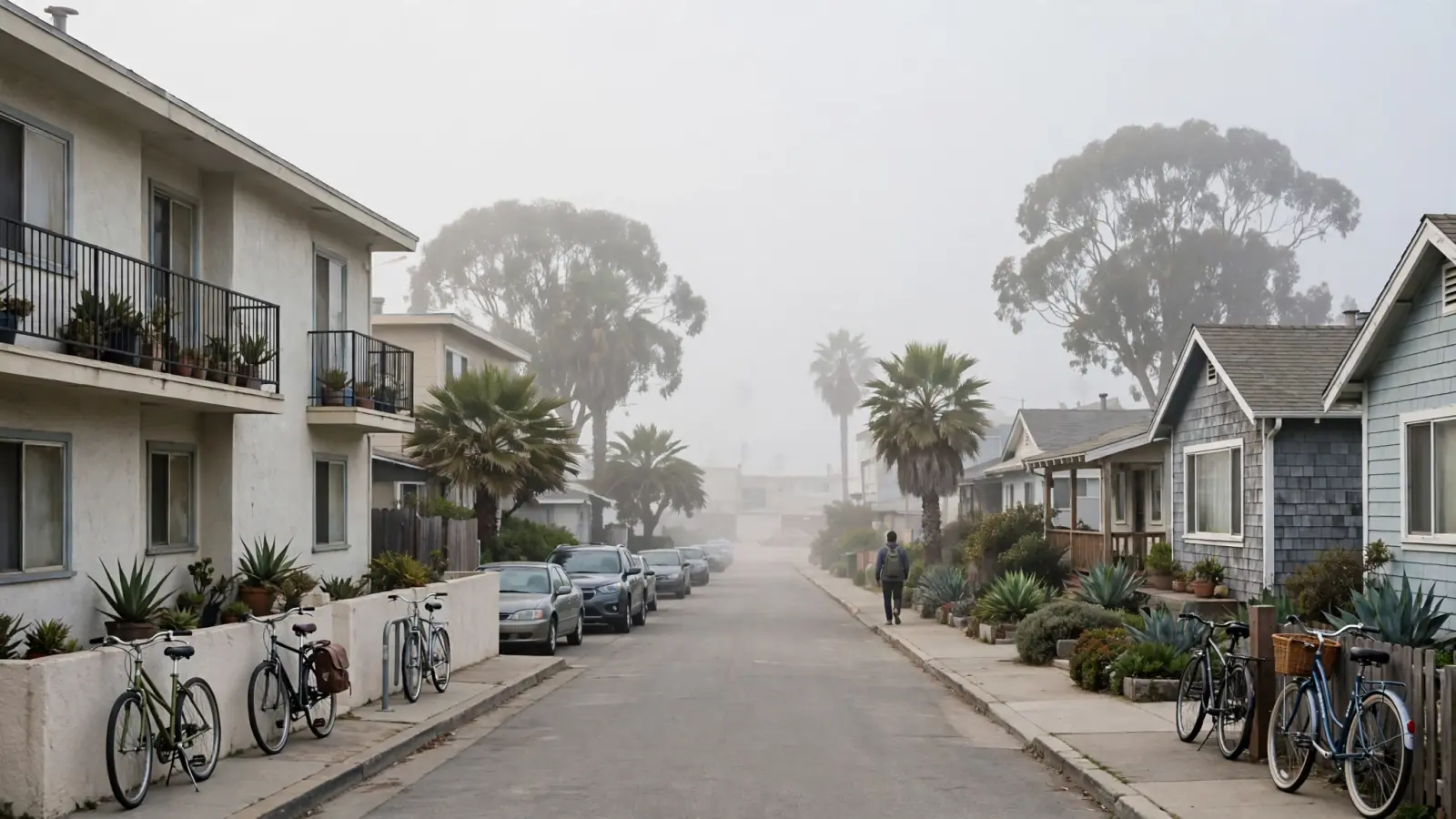
The Eastside has a large stock of bungalow courts, duplexes and fourplexes, often with a separate water heater for each unit. In many of these buildings the heaters sit in exterior closets along a side yard, in a row in a shared utility area, or in small interior closets that were added long after the building was finished.
For owners, the challenge is keeping track of several heaters of different ages. A simple record of each unit's heater, its install date and its last service makes it possible to plan replacements instead of reacting to leaks.
Renters should report hot water problems to the owner or manager in writing. In California, a working hot water supply is one of the basic requirements for a habitable rental unit, and the owner is generally responsible for repairs to the heater.
Exterior closets
Water heaters in exterior closets and side yards
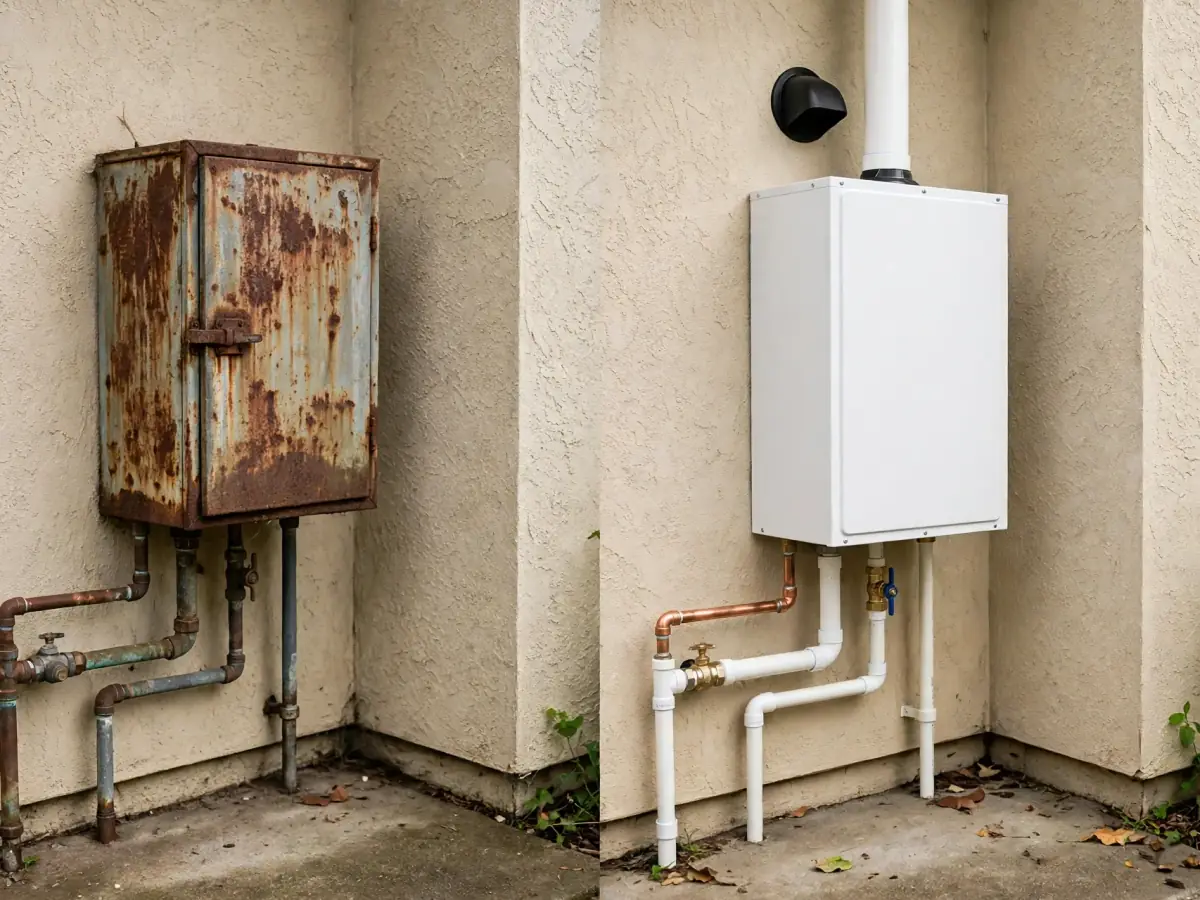
Many older Eastside houses and courts have the water heater in a small closet opening to the outside. It saves space indoors and keeps combustion away from living areas, but the closet takes a beating from weather, sprinklers and pests. Rotted doors, rusted burner compartments, and wind that blows out the pilot are common findings.
A plumber looks at the closet as well as the heater: whether the door seals and has the required openings for air, whether the vent is intact through the roof of the closet, and whether the floor is sound enough to support a full tank. A full 40- or 50-gallon tank is very heavy, and a closet floor softened by years of small leaks needs repair before a new heater goes in.
Exterior closets also make it easy to overlook a slow drip. A glance inside once a month catches problems while they are small.
Quick reference
Eastside water heater problems and first steps
| What you notice | Common Eastside cause | What to do first |
|---|---|---|
| Rusty water from hot taps | Aging tank, or old galvanized pipe near the heater | Note whether cold water is clear too; schedule a check |
| Pilot out in an exterior closet | Wind, moisture or a damaged closet door | Relight per the label; call if it keeps going out |
| Soot around the top of the heater | Vent problem in an older chimney or flue | Turn the heater off; have the vent inspected |
| Weak hot water flow | Scale or corrosion in old pipes and fittings | Ask the plumber to check the connections at the heater |
| Hot water in one unit of a duplex only | Each unit has its own heater | Check the right heater before calling |
Eastside checklist
Checklist for older Eastside homes
Simple checks that fit the age and layout of Eastside housing.
Check the closet floor
Soft or stained flooring under a heater is a sign of past leaks.
Check the old flue
Older flues and chimneys can deteriorate. Soot or rust at the draft hood needs attention. [3]
CO alarms
Install carbon monoxide alarms near sleeping areas and any gas appliance.
Strap it, even in a closet
Two straps into framing and a flexible gas line, even in a tight closet.
Annual sediment flush
Sediment builds faster in older tanks and older pipes.
Read moreKnow each heater
In multi-unit buildings, label which heater serves which unit.
Hillside streets
Stairs, steep streets and parking on the Eastside
Silver Lake and Echo Park are known for their public stairways and steep streets, and many homes are reached only by long flights of steps. Carrying a new water heater up those steps, and the old one down, is a real part of the job, and it affects the time and crew needed. Let the plumber know about stairs when you call.
Street parking can be tight, especially near Sunset Boulevard and on narrow hillside streets. Share any parking options, such as a driveway the plumber can use, and how far the heater is from the nearest place a work vehicle can stop.
Old pipes
Galvanized pipe and mixed metals in older Eastside homes
Many Eastside homes were built when galvanized steel was the standard for water pipe. Over decades, galvanized pipe corrodes from the inside, narrowing the bore and shedding rust. When it connects directly to a water heater, it can reduce hot water flow, send rust into the tank, and in some cases make it look as if the heater is the problem when the pipe is.
Where copper meets galvanized steel or a steel tank fitting without a proper dielectric union or nipple, galvanic corrosion can eat away at the connection. Leaks at the top of the heater in an older house are often found at these joints rather than in the tank.
A plumber replacing a heater in an older home will usually replace the short sections of pipe and fittings right at the heater as part of the job. A whole-house repipe is a separate decision, but knowing the condition of the pipes near the heater gives you a useful picture of the rest of the system.
Gas or electric
Choosing a replacement for an older Eastside house
For most Eastside homes with an existing gas heater, a new gas tank of the same size is the most straightforward replacement. The gas line, vent and location are already in place, and the work is mostly about bringing strapping, connectors and the relief valve line up to current standards.
Moving to a heat pump water heater or tankless unit in an older house usually raises questions the existing setup cannot answer on its own: is there room for a heat pump unit and its airflow, is the electrical service large enough for a new circuit, can a tankless unit be vented through an exterior wall without affecting the look of a historic facade? These are all solvable, but they are worth discussing early.
If an older house still has 60-amp or 100-amp electrical service, adding any large electric load may require a panel upgrade. A plumber can tell you what the new heater needs, and an electrician can tell you what the panel can support.
Renters
Renting on the Eastside
A large share of Eastside residents rent, many in older duplexes, courts and small buildings. If your hot water fails, tell the owner or manager in writing as soon as possible, describe what is happening, and ask when a plumber is scheduled. California law treats hot water as a basic requirement of a habitable rental home, and the owner is generally responsible for maintaining the heater.
Some small buildings in Echo Park and Silver Lake are covered by the City of Los Angeles Rent Stabilization Ordinance, which has its own rules on repairs and tenant notices. If a repair is delayed, the Los Angeles Housing Department can explain your options.
Angelino Heights
Victorian homes in Angelino Heights
Angelino Heights, on a hill just above Echo Park, holds one of the city's best collections of Victorian-era homes and is protected as a Historic Preservation Overlay Zone. [1] These houses were built long before modern water heaters, so heaters were added later, often in basements, back porches, closets carved out of pantries, or small sheds behind the house.
In homes like these, a replacement is as much about the space as the heater. Narrow basement stairs, low ceilings, old wood floors and limited room for combustion air or venting all affect what can be installed and how. Exterior changes visible from the street, such as a new vent through a front wall, may need review under the overlay zone rules, while interior work generally follows the normal permit process. [2]
If you own a historic home, ask the plumber to explain how the vent will run and where any new equipment will be visible before work begins.
Los Feliz
Los Feliz homes and duplexes
Los Feliz combines large 1920s hillside homes with duplexes and small apartment buildings on the flats. Larger homes often have heaters in basements or garages below the house, sometimes with long runs to bathrooms on upper floors and recirculation systems added during remodels. Duplexes usually have one heater per unit, frequently in exterior closets or service porches.
Whether it is a single large home or a duplex, the basics are the same: two seismic straps fastened to the framing, a flexible gas connector, a sound vent, a relief valve line to a safe place, and a drain pan wherever a leak would damage the house.
Elysian Valley
Elysian Valley near the river
Elysian Valley, along the Los Angeles River, is mostly small single-family homes on compact lots, with heaters in garages, service porches and exterior closets. Space is tight, so plan for how a new heater will come in and the old one go out.
FAQ
Questions from Eastside homeowners
Can my heater stay in its outdoor closet when I replace it?
Usually yes, if the closet is sound and big enough, and the new heater is approved for that location. Newer tanks can be larger, so the closet should be measured first.
Is my old chimney okay for venting a new water heater?
It depends on the chimney's condition and size and on the appliances sharing it. Many older chimneys need a liner. The installer should evaluate it as part of the job.
Why is my hot water slow to arrive?
Older homes often have the heater far from bathrooms and kitchens, and every foot of pipe holds cold water. A recirculation pump or a point-of-use heater can help.
Do Silver Lake and Echo Park use LADBS permits?
Yes. Silver Lake, Echo Park and Los Feliz are within the City of Los Angeles, so replacement permits come from the Department of Building and Safety. [2]
Is it worth repiping when I replace the water heater?
Not automatically. If galvanized pipes are causing rusty water or low pressure throughout the house, repiping solves problems a new heater cannot. If the piping is already copper or PEX, there is no need.
Who fixes water heaters in Silver Lake?
A licensed plumber who works on water heaters. Call the number on this page and the plumber will confirm availability for your address.
My heater is in an outside closet. Does that change the repair?
Weather and pests affect exterior closets, so the plumber also checks the closet door, air openings, vent and floor.
Do I need special approval to replace a water heater in a historic district?
Interior replacements usually only need the normal permit. Exterior changes, such as a new vent on a visible wall, may need review in a Historic Preservation Overlay Zone.
Why is there rust in my hot water but not my cold?
Usually the tank is corroding inside or the anode rod is used up. A plumber can check the anode and tank to see whether a repair or replacement makes sense.
Who fixes water heaters in Echo Park?
A licensed plumber who works on water heaters. Call the number on this page; renters should tell the owner or manager in writing first.
Is a 1920s house harder to put a new heater in?
It can be. Narrow stairs, small closets, older vents and old pipes at the heater all take extra time, so share photos and measurements before the quote.
Can my old exterior closet hold a new tank?
If the floor and walls are sound and the door has the right air openings, usually yes. Rotted floors or doors need repair before a new tank goes in.