Key facts: Burbank
- Burbank is a separate city, so water heater replacement permits come from Burbank's own building and safety division [2].
- Burbank Water and Power, a municipal utility, supplies water and electricity; natural gas comes from the regional gas company [1].
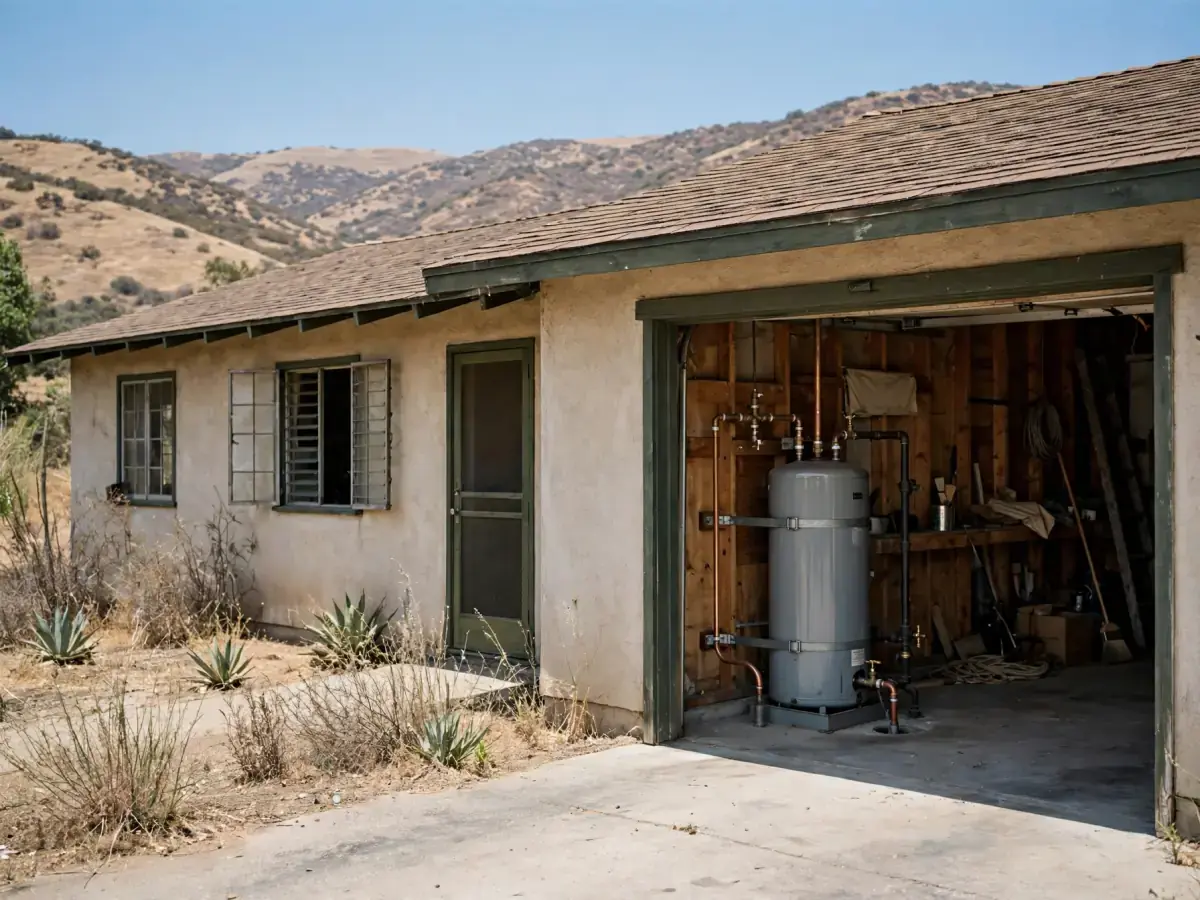
- Most Burbank houses have gas tank heaters in attached or detached garages, where dust and strapping are the usual issues.
- Burbank's hot summers keep garage air warm for much of the year, which helps heat pump water heaters, since they pull their heat from that air [3].
Burbank homes
What Burbank homes and water heaters are like
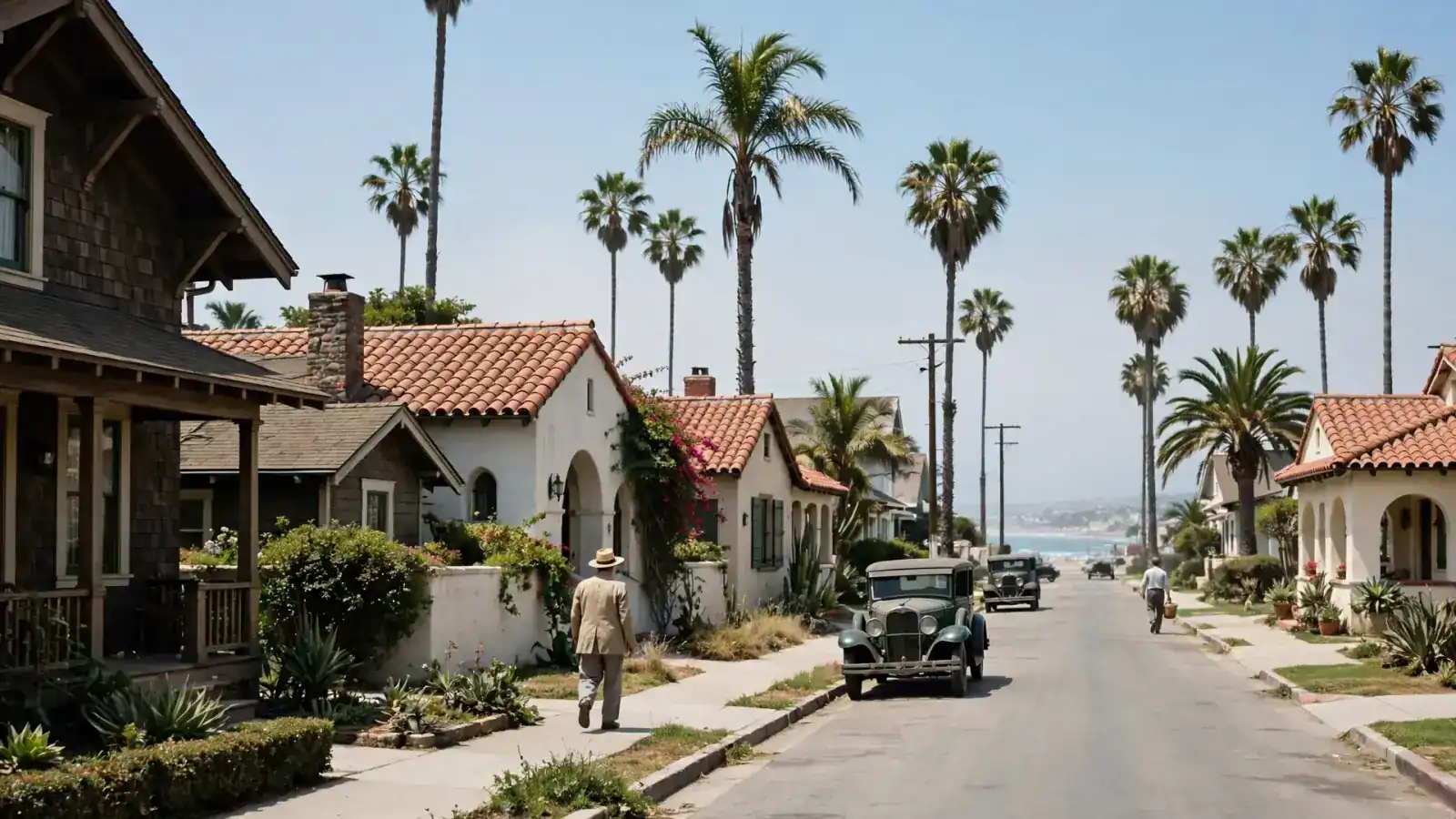
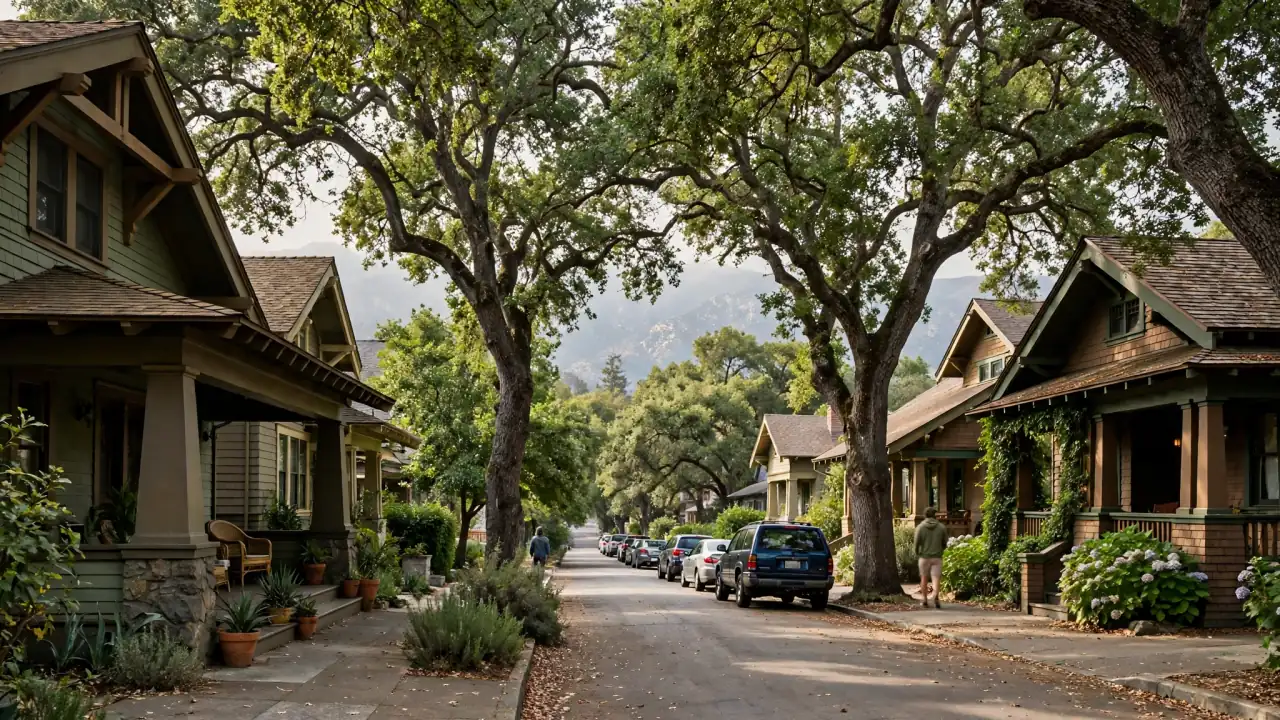
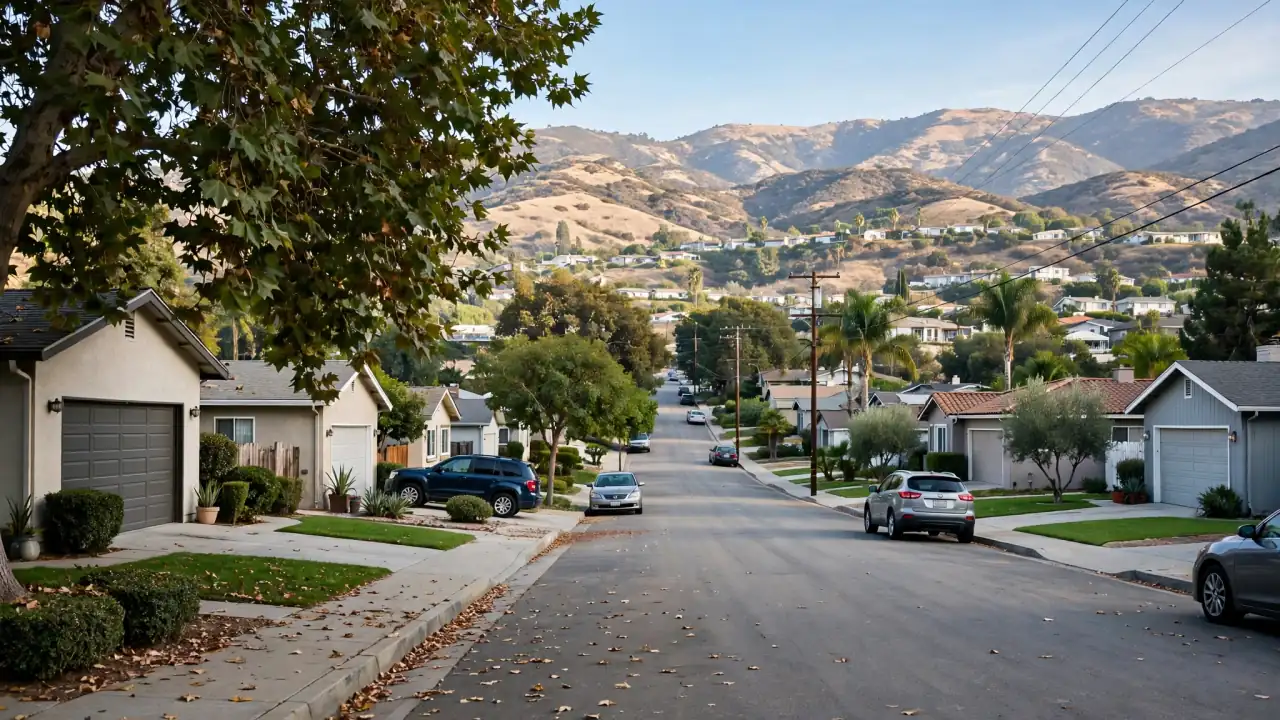
Much of Burbank was built out in the 1930s through the 1950s, so its flat neighborhoods are lined with modest single-story homes: Spanish-style and traditional houses from the earlier years and ranch homes after the war. Most have a driveway leading to an attached or detached garage, and that garage is where the water heater usually lives, typically a 40- or 50-gallon gas tank in a corner.
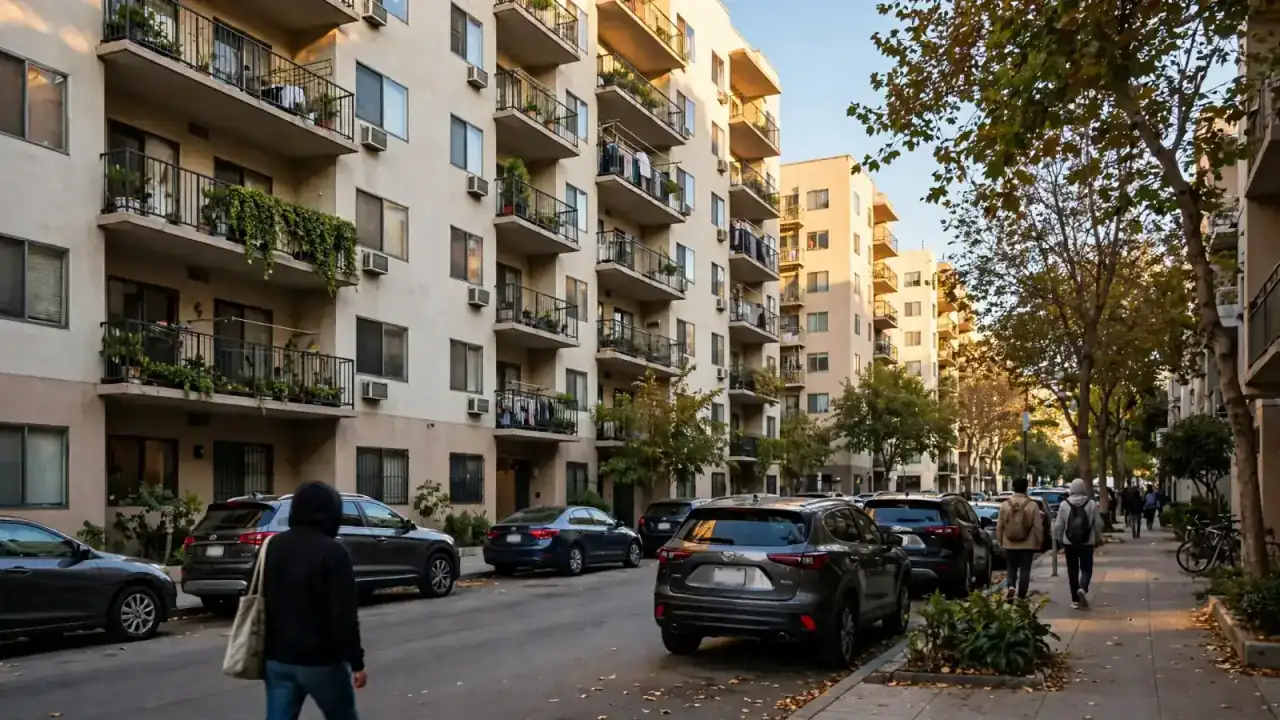
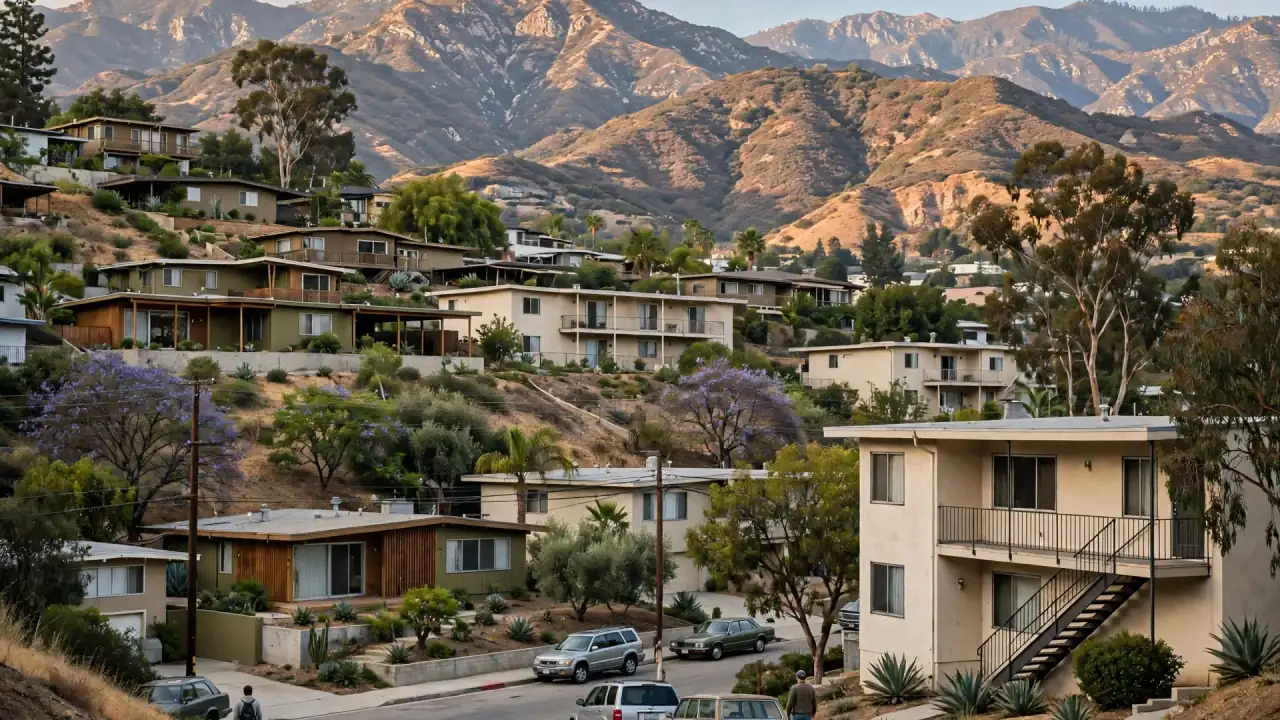
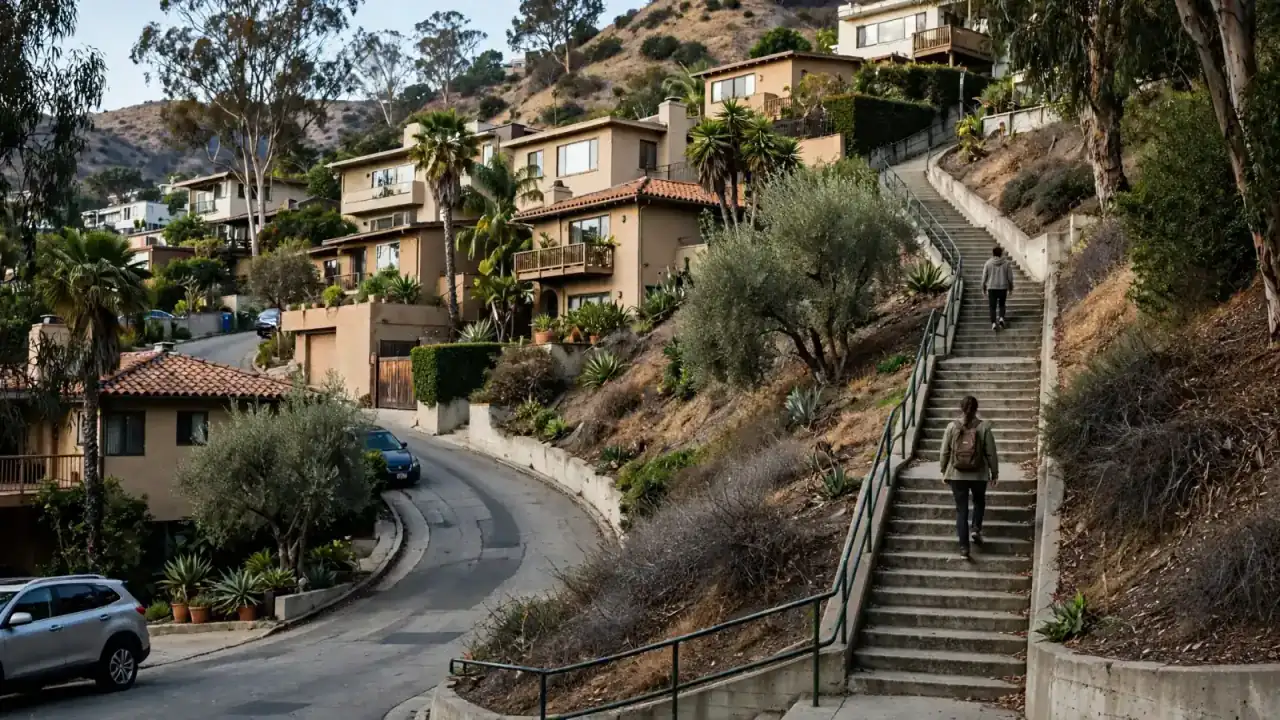
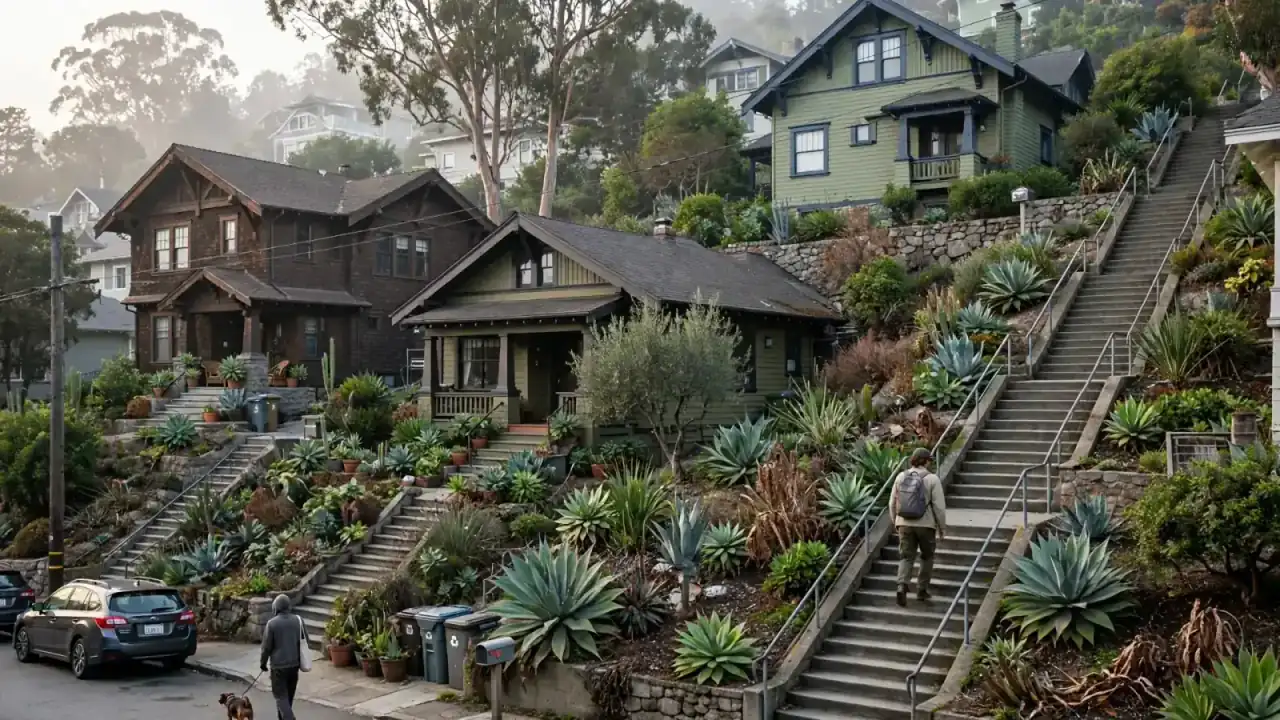
North of the main grid, streets climb into the foothills of the Verdugo Mountains, where hillside homes have steeper driveways, split levels and heaters in under-house garages or utility rooms. Near the studios and along the main corridors there are apartment and condo buildings with closet heaters or central systems. And across the city, backyard accessory dwelling units and garage conversions have added a second, smaller water heater to many lots.
Garage installations are easy to reach, which keeps most repairs quick. The common issues are the garage environment itself, older strapping and venting, sediment, and questions about ADU heaters and upgrades.
Common calls
What plumbers see most in Burbank
Garage dust and pilots
Dust, leaves and lint drawn into the air intake of flammable-vapor-resistant gas heaters clog the flame arrestor and put the pilot out.
Original or loose strapping
Older installations with one strap, plumber's tape or no strapping, instead of two proper seismic straps anchored to studs.
Second heaters for ADUs
Backyard units and garage conversions with their own small tank or tankless heater, sometimes on a shared gas line or crowded panel.
Sediment and noise
Rumbling and popping from tanks that have never been flushed, and lower capacity in winter.
Tankless retrofits
Owners replacing a garage tank with tankless, which often needs a larger gas line and new venting.
Heat pump upgrades
Interest in heat pump water heaters for warm garages, and questions about panel capacity in older homes.
Utilities
Burbank Water and Power and the gas supply
Burbank operates its own municipal utility, Burbank Water and Power, which supplies water and electricity to the city [1]. Natural gas comes from the regional gas company. That split matters when you need help: water quality and electrical service questions go to the city utility, while gas service, gas shut-offs and gas leaks go to the gas company.
Burbank's water supply blends local groundwater with imported water, and its mineral content affects how quickly sediment builds up in a tank and scale in a tankless unit. The city utility's annual water quality report is the best guide to hardness and to how often a flush or descaling is likely to be needed. Burbank Water and Power has also offered customer programs for efficient equipment at various times, so it is worth checking current offers before replacing an electric or heat pump unit.
Garages
Garage installations: what to watch
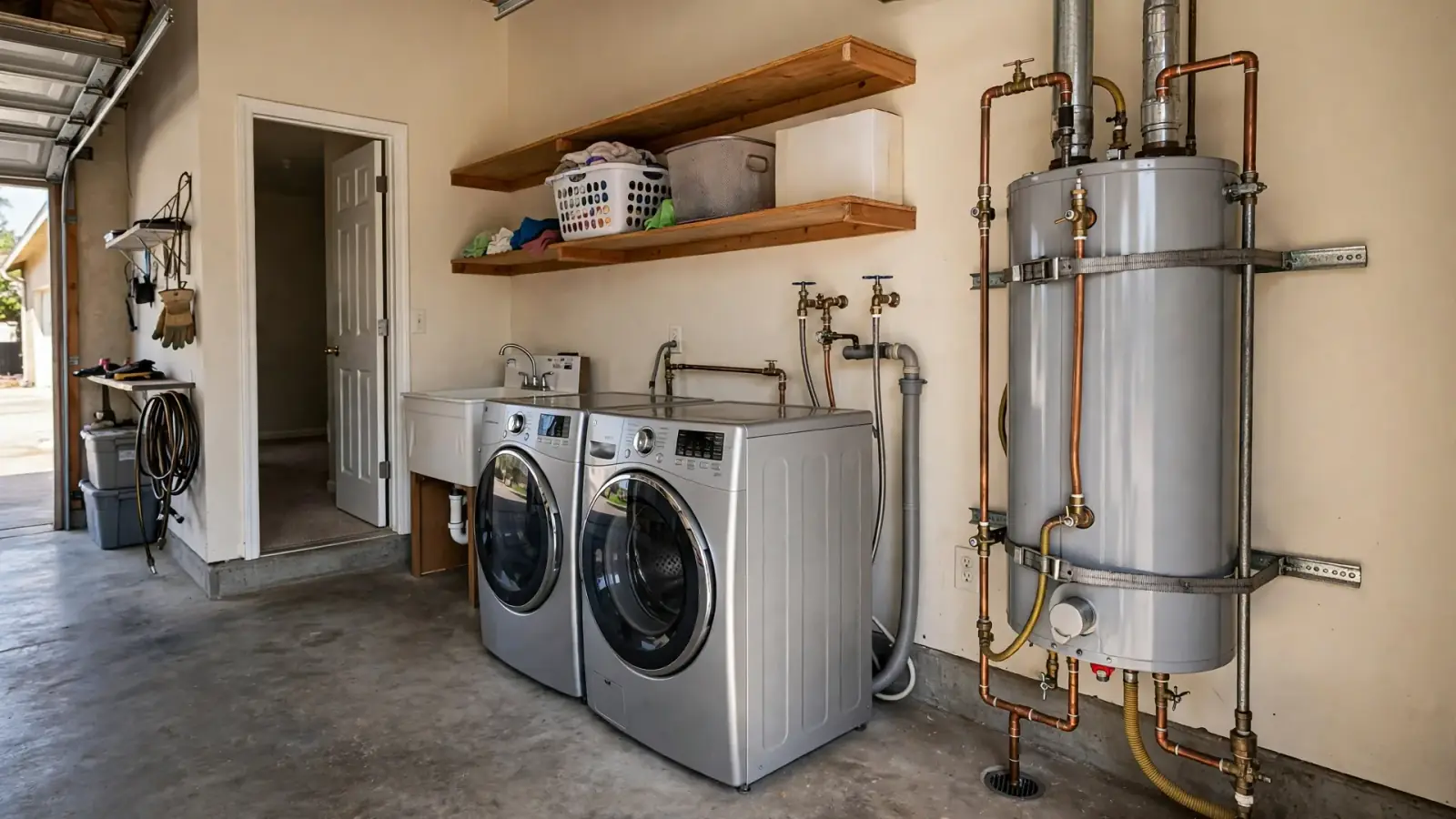
Garages are practical places for water heaters, but they are tough environments. Gasoline vapors, dust from the driveway, leaves blown in under the door and lint from a nearby dryer all collect near the floor, which is exactly where a gas heater draws its combustion air. Modern gas heaters use a flammable vapor ignition resistant design with a flame arrestor under the burner, and when that screen clogs, the burner starves of air and the pilot goes out.
Garage heaters also have to be protected from vehicle impact, strapped against earthquakes, and given a relief valve discharge that runs to a safe spot. Older gas heaters in garages were set on stands so the flame sat above floor-level vapors; newer flammable-vapor-resistant models may sit lower where code allows. Keeping the area around the heater swept and clear of stored items is the single easiest thing a homeowner can do to prevent problems.
ADUs
Accessory dwelling units and second water heaters
Like much of the Valley, Burbank has seen many backyard units and garage conversions in recent years. Most have their own water heater: a small electric tank, a compact gas tank or a tankless unit. When two heaters share a lot, a few problems come up. A shared gas line that was sized for one tank heater and a stove may not keep up when a second heater, especially a tankless unit, runs at the same time. An electrical panel that was already full may struggle with an added electric heater.
If the ADU has no hot water while the main house is fine, the ADU heater itself is the likely cause. If problems happen only when both homes use hot water at once, gas or electrical capacity is worth checking. A plumber can measure gas pressure under load and look at the circuits before recommending changes.
Hillside homes
Foothill and hillside homes
Burbank's foothill neighborhoods sit below the Verdugo Mountains, where homes have steeper driveways, split levels and sometimes water heaters in under-house garages or lower-level utility rooms. Parts of the hillside are mapped by the state as fire hazard severity zones, which matters for outdoor heaters and exterior closets: keep brush and stored combustibles clear, keep vent caps intact and know how to shut off gas quickly [4].
Access also matters. A replacement tank may need to be carried down stairs or along a narrow side yard, so mention the route when you book. Burbank's Rancho neighborhood near the Los Angeles River, with its equestrian properties, has larger lots and outbuildings where heaters may sit far from the house.
Permits
Permits and inspections in Burbank
- City of Burbank permitsWater heater replacement is permitted through Burbank's building and safety division, not the Los Angeles Department of Building and Safety [2].
- What gets inspectedSeismic strapping, venting, gas connection, combustion air, relief valve discharge and expansion control where the plumbing is closed [5].
- Nearby areas are differentToluca Lake, Sun Valley and North Hollywood next door are mostly in the City of Los Angeles, which uses LADBS permits.
- ADU heatersA heater serving an ADU is permitted like any other; check that the permit covers any new gas or electrical work.
- Ask who pulls itYour contractor should say who obtains the permit and whether the inspection is included.
By home type
Typical setups across Burbank
| Home type | Where the heater usually is | What to watch |
|---|---|---|
| 1930s–1950s single-story house | Attached or detached garage | Dust, strapping, sediment, venting |
| Ranch home with laundry in garage | Garage beside the washer and dryer | Dryer lint at the air intake |
| Backyard ADU or garage conversion | Small closet or exterior wall | Shared gas line or panel capacity |
| Hillside home | Under-house garage or utility room | Access, fire-zone clearances, leak risk |
| Apartment or condo | Unit closet or shared utility room | Responsibility, drain pans, central systems |
Climate
Valley heat and your heater
Burbank is much hotter than the coast in summer, and garages can get very warm. Heat does not harm a water heater, but it makes heat pump water heaters an especially good fit, because they pull heat from the surrounding air and blow cooler, drier air back into the garage [3].
In winter, incoming water is colder and heaters run longer. A tank that kept up easily in summer may start running out of hot water in January, which is often the first sign that sediment has reduced capacity or that the household has outgrown the tank.
Choosing a heater
Replacement options that suit Burbank homes
- Like-for-like gas tankThe quickest swap in most garages; add proper straps and an expansion tank where needed.
- Heat pump water heaterA strong fit for warm garages with space, a condensate drain and a suitable circuit.
- TanklessFrees garage floor space; check the gas line size, especially with an ADU sharing the supply.
- Larger tankFor growing households; confirm the space, vent size and gas capacity before upsizing.
Symptoms
Common Burbank symptoms and first steps
| What you notice | Likely cause | First step |
|---|---|---|
| Pilot goes out every few days | Lint or dust in the air intake, or a worn thermocouple | Clean the area; have the intake and sensor checked |
| ADU runs cold when the house uses hot water | Shared gas line or panel capacity | Measure gas pressure under load; check circuits |
| Rumbling while heating | Sediment on the tank bottom | Flush the tank |
| Relief valve drips after heating | Thermal expansion in a closed system | Pressure test; add an expansion tank |
| No hot water after a tremor | Seismic gas shut-off closed | Check other gas appliances; contact the gas company |
Earthquakes
Earthquake readiness
Burbank shares the San Fernando Valley's earthquake history, and strong shaking can topple an unbraced water heater, breaking its gas and water lines. California requires every water heater to be braced or strapped [5]. The standard is two metal straps, in the upper and lower thirds of the tank, anchored into wall studs, with flexible connectors.
Many homes also have a seismic gas shut-off valve at the meter. After a quake, if every gas appliance is out, that valve has probably closed; service should be restored and pilots relit by the gas company or a qualified plumber. Check the heater for loose straps and new leaks after any noticeable tremor.
Older installations
Bringing older Burbank installations up to standard
Many Burbank garages still hold installations from several heater replacements ago, and each swap may have reused parts that would not pass inspection today. Common finds include a single strap or plumber's tape instead of two seismic straps, a rigid gas pipe instead of a flexible connector, a relief valve discharge that stops short or ends in a closet, a vent connector that is too small or poorly sloped, and no expansion tank in a home with a pressure-reducing valve.
Correcting these during a replacement is quick, protects the new heater and avoids a failed inspection.
Repair or replace
Repair or replace a Burbank water heater?
When the tank leaks from its shell, rusts at the base or delivers rusty hot water on an older heater, replacement is the better choice.
A planned replacement is also the moment to consider a heat pump unit for a warm garage, or tankless if floor space matters, rather than defaulting to the same tank.
Renters and condos
Renters, owners and condo associations
If you rent in Burbank, California law treats hot running water as part of a habitable home, so a failed water heater is normally the owner's responsibility. Report it to the landlord or manager promptly, preferably in writing. ADU tenants follow the same rule with the property owner.
Condo owners usually maintain the heater serving their unit, subject to association rules on contractors, insurance and leak protection. Buildings with a central system are maintained by the association.
Upgrades
Planning an upgrade instead of an emergency swap
Many Burbank homeowners replace a water heater only when the old one fails, which leaves little room to consider anything but another identical gas tank. If your heater is past the middle of its expected life, a short assessment now makes the eventual replacement easier and often better.
An assessment answers practical questions in advance: whether the garage suits a heat pump unit, whether the electrical panel has room for its circuit, whether the gas line could support a tankless heater alongside an ADU, and whether any code corrections will be needed. With those answers, you can check utility programs, arrange electrical work if needed and choose the right equipment calmly, instead of on a cold morning with no hot water.
It also gives you time to compare written quotes. A good quote names the heater model, lists the permit, straps, connectors, venting and expansion tank, and states how long the old heater will be out of service on the day.
Maintenance
Maintenance for Burbank heaters
Sweep and clear the area around the heater regularly, especially if the dryer is nearby. Flush the tank on the schedule in the manual, test the relief valve, and have the anode rod checked every few years. Tankless units need periodic descaling and inlet filter cleaning.
Before winter is a good time for a service visit, so the heater goes into its hardest-working season clean and tested.
Safety
Gas and electrical safety at home
Gas heaters depend on proper venting to carry exhaust out of the garage or house. Soot near the burner door, a smell of exhaust, condensation near the top of the heater or a pilot that keeps going out all call for an inspection. Install and test carbon monoxide alarms near gas appliances, especially if the garage connects to living space.
If you smell gas, leave without operating switches and call the gas company or 911 from outside. For electric heaters in ADUs or condos, a burning smell, discolored terminals or a breaker that keeps tripping means switching the breaker off and leaving it off until the heater is inspected.
Access
Access and scheduling tips
Most Burbank visits are simple: the heater is in the garage at the end of the driveway. Mention a detached garage behind a gate, an ADU at the back of the lot, a hillside home with stairs to an under-house garage, or a condo with assigned parking and elevator rules. In summer, morning appointments make garage work easier for everyone.
If the heater is leaking, close the cold-water valve above it, turn off the gas control or breaker, and move anything stored nearby before the plumber arrives.
The visit
How a Burbank service visit usually goes
- 1
Share the details
Fuel type, age, which heater (house or ADU), its location and what it is doing.
- 2
Diagnose on site
Gas or power supply, burner or elements, air intake, venting, relief valve, straps and tank condition are checked.
- 3
Finish and test
The heater runs a full cycle while connections, venting and temperature are confirmed.
Coverage
Burbank-area ZIP codes covered
Calls are connected with independent licensed plumbers who serve Burbank, including ZIP codes 91501, 91502, 91504, 91505 and 91506, along with the city's post office box ZIP codes. Nearby Toluca Lake (91610), Sun Valley (91352) and North Hollywood are also served.
Coverage reflects which independent contractors are accepting calls and can change; the plumber will confirm availability for your address when you call.
Records
Keeping records for a Burbank home
Keep the install date, model number, permit card and any service notes for your water heater together, ideally with a photo of the rating plate. When something goes wrong, those details let a plumber diagnose faster, and when you sell the home, buyers and inspectors often ask for them.
FAQ
Questions from Burbank homeowners
Who issues water heater permits in Burbank?
The City of Burbank, through its building and safety division. Burbank is a separate city, so LADBS permits do not apply.
Who supplies water and gas in Burbank?
Burbank Water and Power supplies water and electricity. Natural gas comes from the regional gas company.
Why does my garage water heater pilot keep going out?
Dust and dryer lint often clog the air intake under flammable-vapor-resistant heaters, and thermocouples wear out. A plumber can clean the intake and test the sensor.
My ADU has no hot water but the house does. What's wrong?
Most ADUs have their own heater, so that heater is the likely cause. If problems happen only when both use hot water, check gas or electrical capacity.
Is a heat pump water heater a good idea in Burbank?
Often yes. Warm Valley garages suit them well, provided there is space, a condensate drain and a suitable electrical circuit.
Can I replace my garage tank with tankless?
Usually, but many homes need a larger gas line and new venting. Check capacity, especially if an ADU shares the gas supply.
Do I need an expansion tank in Burbank?
If your plumbing has a pressure-reducing valve or check valve, the system is closed and expansion control is normally required.
How long does a water heater replacement take in Burbank?
A like-for-like garage swap often takes a few hours. Tankless, heat pump and relocation jobs take longer, and the inspection is scheduled separately.
Is Toluca Lake covered?
Yes. Most of Toluca Lake is in the City of Los Angeles, so it uses LADBS permits rather than Burbank's.
My garage water heater is on a stand. Does a new one need one too?
Older gas heaters in garages were raised so the flame sat above floor-level vapors. Many newer flammable-vapor-resistant models can sit lower where code allows, but they still need protection from vehicles. The installer and inspector decide.
How often should a Burbank water heater be flushed?
Follow the manual, commonly yearly. The city water quality report helps judge how quickly your water builds sediment.
Can I relight my garage water heater pilot myself?
If there is no gas smell, relighting once following the label instructions is a normal task. If it goes out again, have the air intake and thermocouple checked.
Do Burbank garage heaters need a stand?
Older gas heaters were raised to keep the flame above floor-level vapors. Newer vapor-resistant models may sit lower where code allows. The installer and Burbank inspector confirm what applies to your garage.