
Key facts: Long Beach
- Long Beach is a separate city, so water heater replacement permits come from Long Beach Development Services, not the City of Los Angeles [2].
- Long Beach runs its own municipal utility for water and natural gas, so gas service questions go to the city rather than the regional gas company [1].
- Salt air near the coast corrodes vent caps, cabinets and connectors on outdoor water heaters faster than inland.
- California requires every water heater to be braced or strapped against earthquakes, a lesson reinforced in Long Beach since the 1933 earthquake [3][4].
Long Beach homes
What Long Beach homes and heaters are like
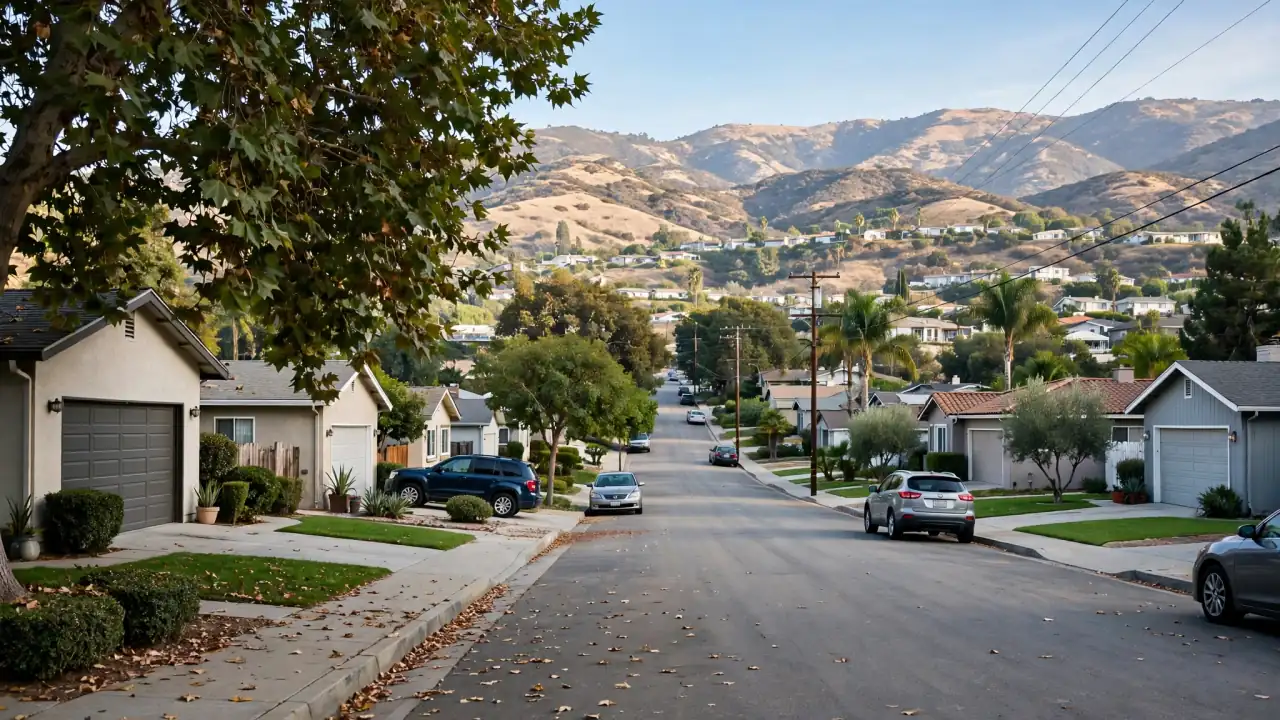
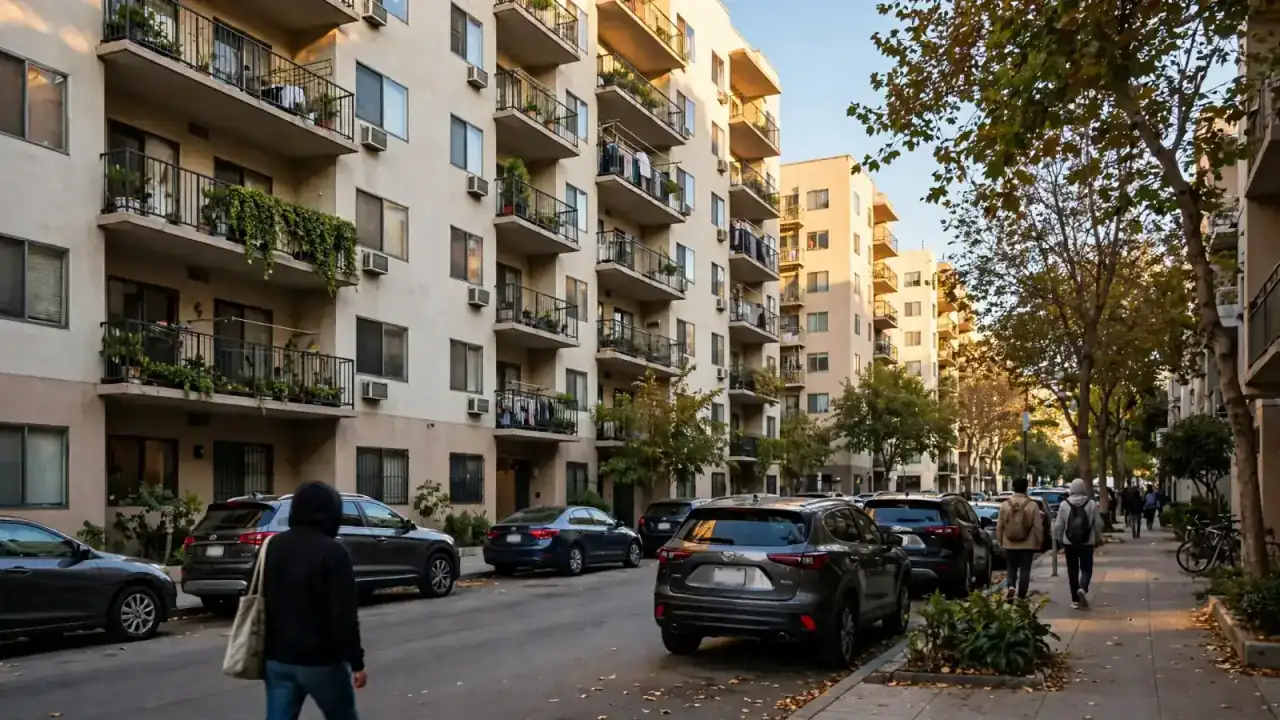
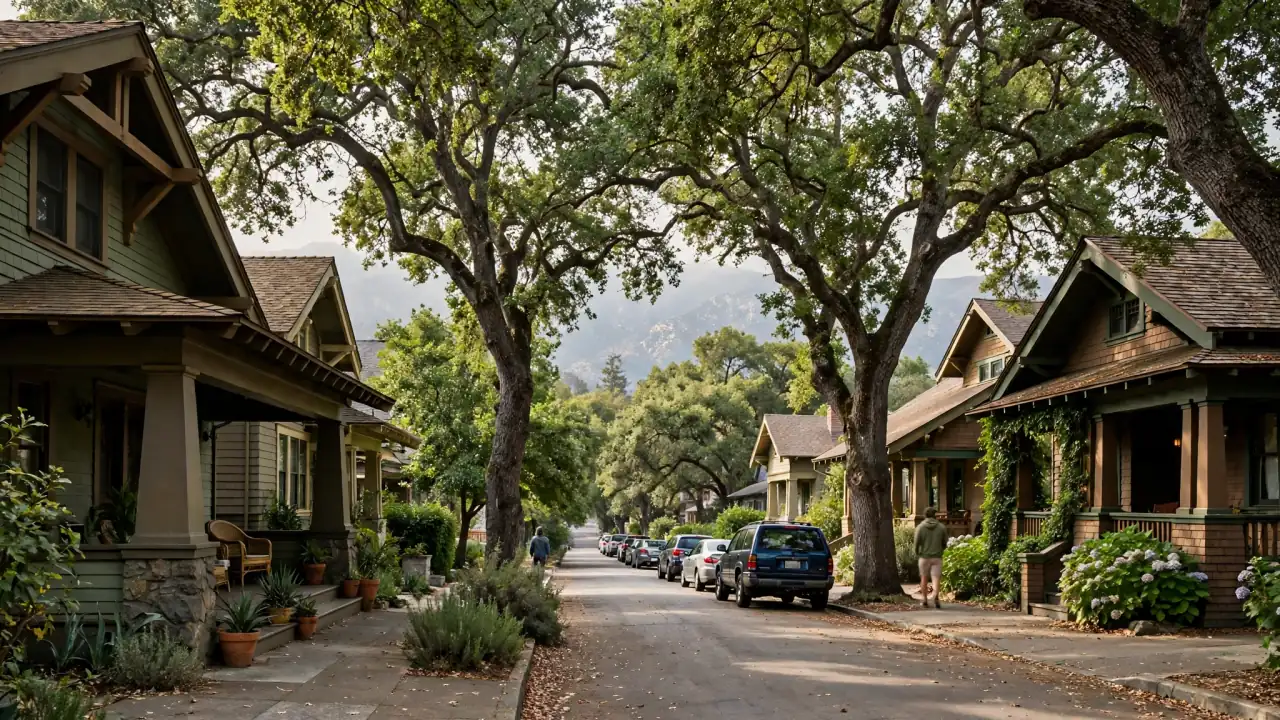
Long Beach grew quickly in the early twentieth century, and many of its neighborhoods are filled with homes from the 1910s through the 1940s: Craftsman and Spanish Colonial Revival bungalows, small duplexes and courtyard apartments. Later decades added post-war tract homes in the east and north of the city and a large stock of apartment and condo buildings near downtown and along the coast.
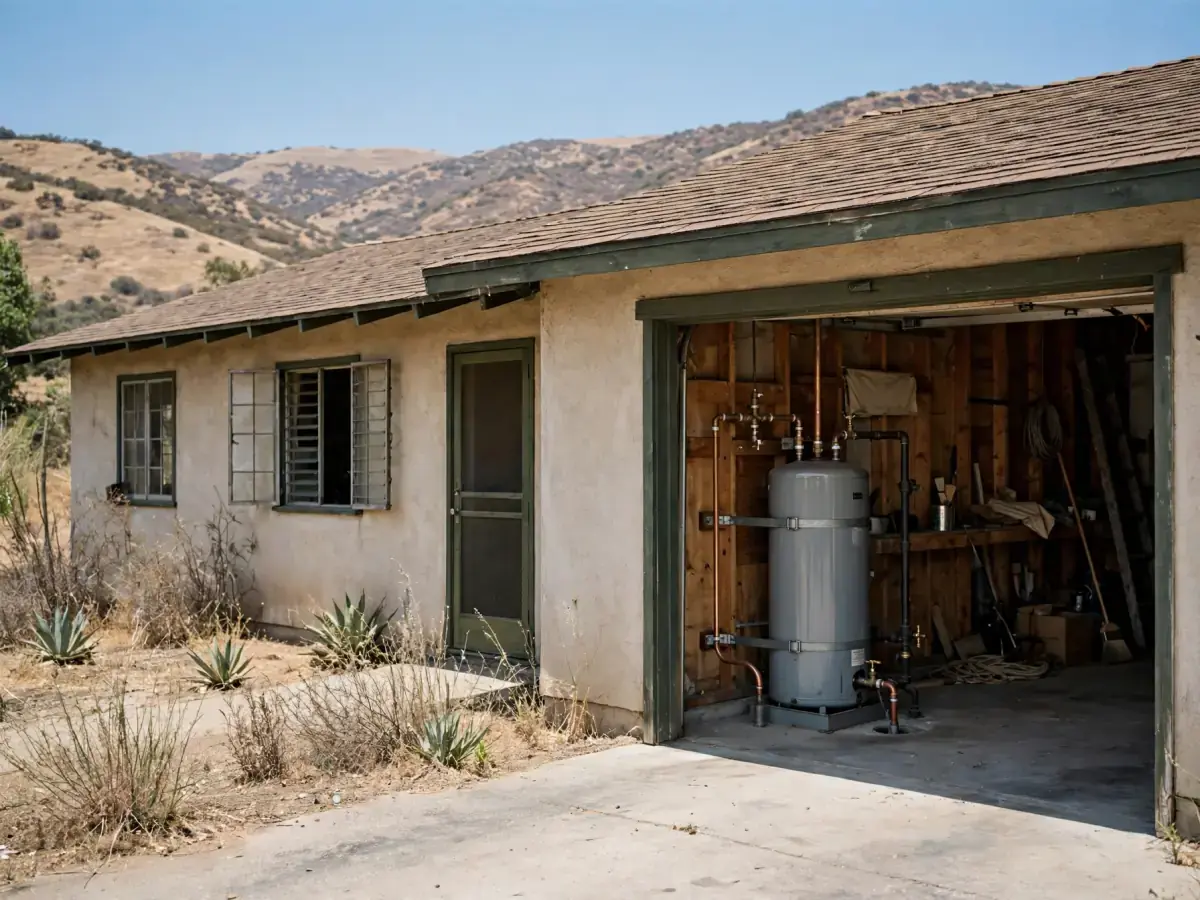
That mix shapes where water heaters sit. Older bungalows often have heaters in exterior closets, back-porch utility rooms or detached garages down the driveway, because the houses were built before modern water heating layouts. Post-war homes usually have a gas tank in the attached garage. Apartments and condos have small electric or gas tanks in closets, or share central systems in a utility room.
Each of those locations brings different failure patterns and different rules. Exterior heaters weather faster near the ocean, closet heaters raise the stakes for leaks, and older homes often need their venting and strapping brought up to current standards when the heater is replaced.
Common calls
What plumbers see most in Long Beach
Corroded outdoor heaters
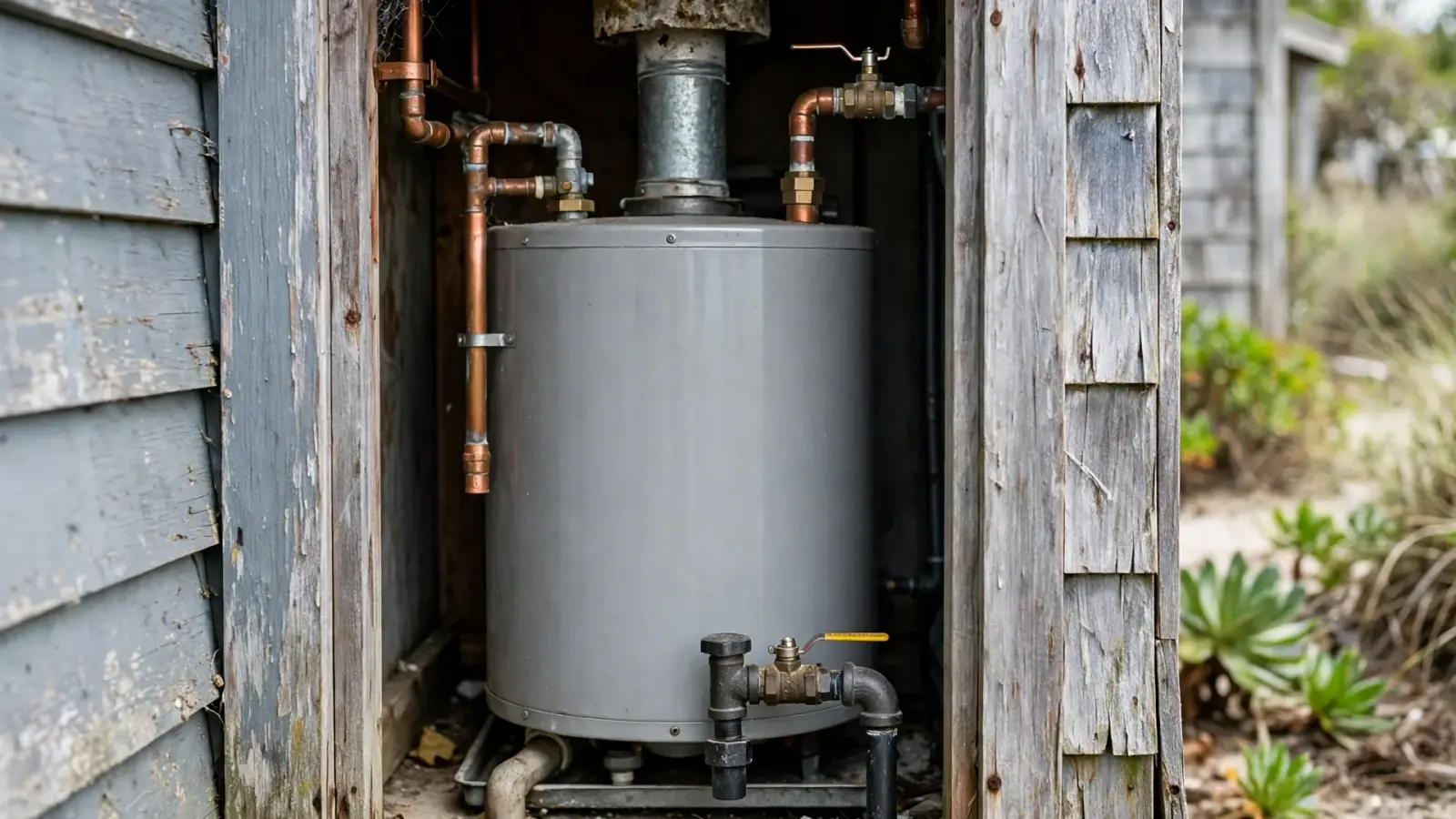
Exterior closets and wall-mounted units close to the beach show rust on vent caps, cabinet doors, fasteners and gas connectors years earlier than inland installations.
Closet heaters in apartments in Long Beach
Compact tanks in interior closets, often above or beside neighbors' units, where a slow leak can damage more than one home.
Old venting in bungalows
Gas heaters in older houses sometimes vent through aging connectors or chimneys that need correcting when the heater is replaced.
Missing or loose strapping
Older installations with one strap or plumber's tape, rather than two proper seismic straps anchored to framing.
Pressure and expansion in Long Beach
Relief valves dripping after heating cycles in homes with pressure-reducing valves and no expansion tank.
Sediment and noise in Long Beach
Popping and rumbling from tanks that have never been flushed, especially in older heaters.
Utilities
Long Beach's own gas and water utility
One detail sets Long Beach apart from most of Los Angeles County: the city operates its own utility for water and natural gas, now organized as Long Beach Utilities [1]. In most surrounding cities, gas comes from the regional gas company. In Long Beach, gas service, meter questions, gas shut-offs and many safety calls go to the city's utility instead.
For water heater owners that matters in a few practical ways. If gas to the house is shut off, after an earthquake, a leak or work on the meter, restoring service and relighting pilots is coordinated with the city utility. If you smell gas, the safe steps are the same anywhere: leave, then call from outside. Water quality information, including the mineral content that affects sediment in your heater, is published by the city utility rather than by Los Angeles.
Coastal air
Salt air and outdoor water heaters
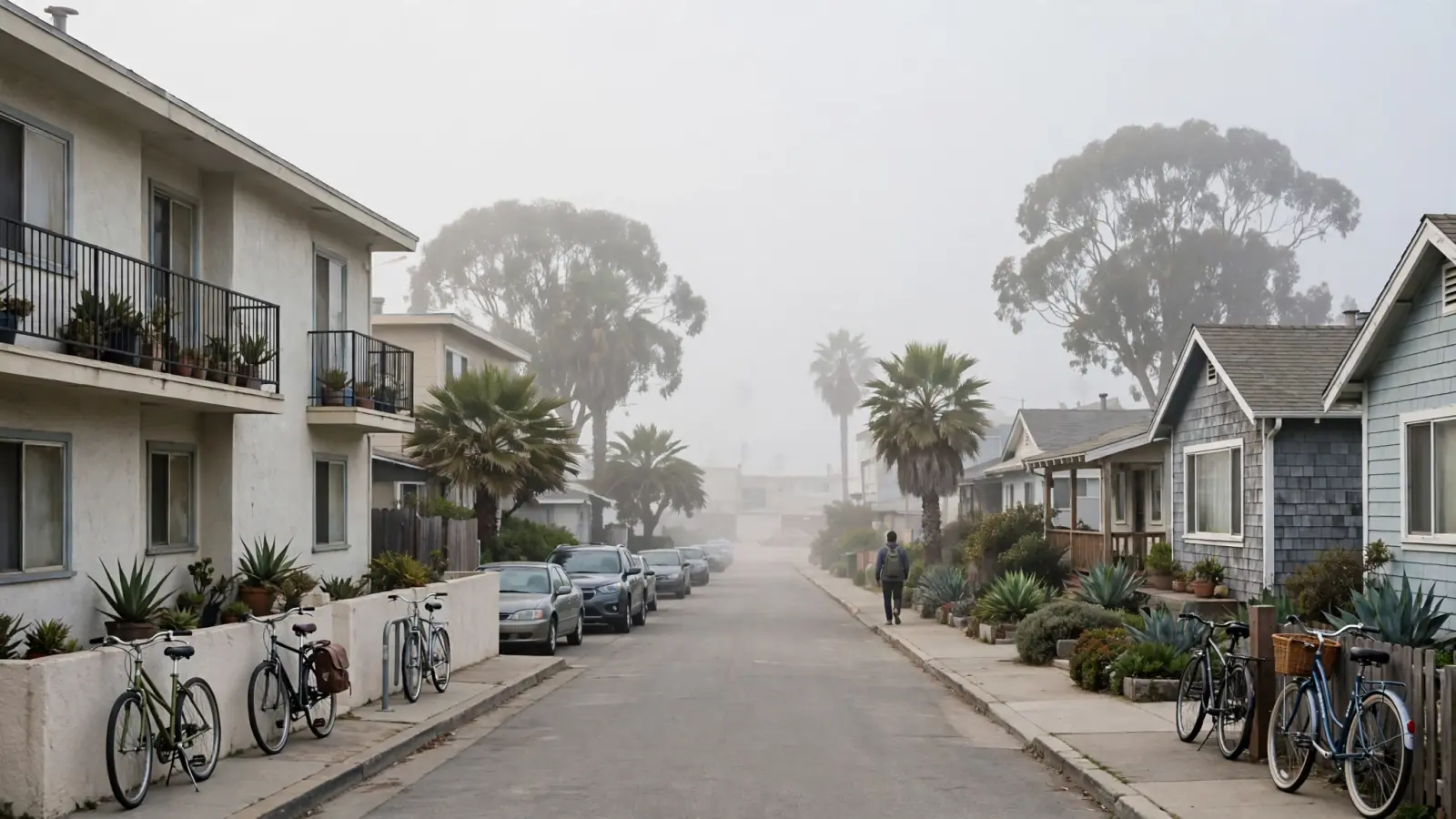
Long Beach's coastal neighborhoods, from Belmont Shore and Naples to the bluffs near downtown, sit in the marine layer much of the year. Salt carried in the moist air settles on outdoor metal and draws moisture to it, so steel vent caps, cabinet doors, screws and the jackets of outdoor heaters corrode faster than they would a few miles inland.
Early corrosion is mostly cosmetic, but it does not stay that way. A rusted-through vent cap can let rain and wind into the vent, a corroded gas flex connector is a safety concern, and a rusting exterior closet door may no longer keep debris and water away from the burner. A quick check of these parts at each service visit catches problems early. When an outdoor heater is replaced, choosing a model and venting kit rated for exterior use, with corrosion-resistant fasteners, pays off near the beach.
Earthquakes
Earthquakes and water heater strapping
Long Beach has a direct history with earthquake damage. The magnitude 6.4 Long Beach earthquake of March 10, 1933 caused heavy damage across the city, especially to unreinforced masonry buildings, and it changed how California approached building safety [4]. Today, every water heater in California must be braced, anchored or strapped to resist falling or moving during an earthquake [3].
Proper strapping uses two metal straps around the tank, one in the upper third and one in the lower third, anchored into wall studs, with flexible water and gas connectors that can move without breaking. Many Long Beach heaters, especially older installations in garages and exterior closets, still have one strap, plumber's tape or nothing at all. Correcting that is a quick job and part of any code-compliant replacement.
Permits
Permits and inspections in Long Beach
- City of Long Beach permitsWater heater replacement in Long Beach is permitted through the city's Development Services department, not the Los Angeles Department of Building and Safety [2].
- What gets inspected in Long BeachInspectors typically look at seismic strapping, venting, the gas connection, combustion air, the relief valve discharge and, where required, the expansion tank and drain pan.
- Historic districts in Long BeachLong Beach has many designated historic districts. Replacing a heater in its existing location normally raises no issue, but new exterior enclosures or vents visible from the street may need review.
- Signal Hill is separateSignal Hill, surrounded by Long Beach, is its own city with its own permit process.
By neighborhood type
Typical setups across Long Beach
Housing in Long Beach changes block by block. These are the most common setups and what to watch in each.
| Housing type | Where the heater usually is | What to watch |
|---|---|---|
| 1910s–1940s bungalows | Exterior closet, back porch or detached garage | Venting, closet condition, corrosion near the coast |
| Post-war tract homes | Attached garage | Strapping, sediment, garage dust clogging air intakes |
| Courtyard apartments and duplexes | Individual closets or a shared utility room | Who is responsible, leak protection, access |
| Downtown and coastal condos | Interior utility closet, often electric | Drain pans, leak sensors, association rules |
| Larger apartment buildings | Central heaters or boilers with recirculation | Mixing valves, pumps and capacity at peak times |
Apartments and condos
Renters, owners and condo associations in Long Beach
A large share of Long Beach residents rent, and many buildings are older multi-unit properties. For renters, California law lists hot running water among the basic requirements of a habitable home, so a broken water heater is normally the owner's responsibility to fix. Report it to the landlord or manager promptly, preferably in writing.
For condo owners, the heater serving your unit is usually yours to maintain, but associations often set rules about contractors, insurance, work hours and leak protection. Buildings with central systems are maintained by the association or owner, and a single cold unit there often points to a valve or circulation issue rather than the main heaters. Sharing access details, such as parking, elevators and gate codes, when you book saves time on the day.
The visit
How a Long Beach service visit usually goes
- 1
Describe the problem in Long Beach
Fuel type, age from the rating plate, where the heater is, and what it is doing: no hot water, a leak, noise or a smell.
- 2
Diagnosis on site
The plumber checks gas or power supply, the burner or elements, venting, the relief valve and the tank's condition.
- 3
Repair and test in Long Beach
After the fix, the heater runs a full cycle and connections, venting and temperature are checked.
Symptoms
Common Long Beach symptoms and what to do first
| What you notice | Likely cause | First step |
|---|---|---|
| Outdoor heater pilot keeps going out on windy days | Damaged or corroded vent cap letting wind in | Have the vent termination inspected and replaced |
| Rust streaks on an exterior heater jacket | Coastal corrosion or a leak from above | Check fittings and the tank base; plan ahead if the tank is old |
| Water in a condo closet pan | Leaking fitting, relief valve or tank | Shut off the cold supply and power or gas; call |
| Discharge pipe outside the bungalow keeps dripping | Expansion pressure with no room to go | Test house pressure; add or replace the expansion tank |
| No hot water after an earthquake | Seismic gas shut-off closed | Check other gas appliances; contact the gas utility |
Tankless on the coast
Tankless water heaters in coastal Long Beach
Wall-mounted tankless heaters are a popular upgrade in Long Beach bungalows and condos because they free a closet and never run out mid-shower. On the coast, two details matter more than inland. First, the venting and the unit itself should be rated for outdoor installation, with corrosion-resistant terminations, because salt air shortens the life of ordinary steel parts. Second, the gas supply must be large enough for the unit's full output; many older homes were plumbed with smaller lines for a tank heater and a stove.
Maintenance also matters. Descaling the heat exchanger on the schedule in the manual and cleaning the inlet filter keep a tankless unit efficient, and a quick look at the vent cap and cover during each service catches coastal corrosion before it becomes a problem.
Choosing a heater
Replacement options that suit Long Beach homes
- Like-for-like gas tank in Long BeachThe quickest swap where a gas tank already works well; add proper straps and an expansion tank where needed.
- Outdoor-rated tanklessFrees space in small bungalows and condos; check gas supply size and choose corrosion-resistant venting near the coast.
- Heat pump water heater in Long BeachEfficient for homes with garage or utility-room space and a suitable electrical circuit; mild coastal temperatures suit them.
- Compact electric tank in Long BeachCommon in condos; pair with a drain pan and leak sensor where a leak would reach neighbors.
Repair or replace
Repair or replace a Long Beach water heater?
The picture changes when the tank itself is failing. Water seeping from the shell, rust at the base, rusty hot water on an older heater or heavy corrosion on an exterior unit near the coast all suggest the tank is near the end of its life.
A replacement in Long Beach should include a city permit, two seismic straps, flexible connectors, correct venting, a proper relief valve discharge and an expansion tank where the plumbing is closed. Comparing both numbers with the age of the tank, decoded from the serial number on the rating plate, usually makes the decision clear.
Water quality
Water, sediment and maintenance in Long Beach
Long Beach's water comes from a blend of local groundwater and imported supplies, and its mineral content shapes how quickly sediment builds up in a tank. The city utility publishes annual water quality reports, which are the best guide to hardness at your address [1].
Whatever the local water, the maintenance pattern is the same: flush the tank on the schedule in its manual, have the anode rod checked every few years, test the relief valve, and keep the area around the heater clean and dry. Tankless units need periodic descaling through their service valves. A heater that is maintained this way runs quieter, recovers faster and gives more warning before it fails.
Older homes
Bringing older installations up to standard in Long Beach
Replacing a water heater in an older Long Beach home is often less about the heater and more about everything around it. A heater that was installed decades ago may have a vent connector that would not pass inspection today, a relief valve discharge that ends inside a closet, a rigid gas line instead of a flexible connector, or no expansion tank in a closed plumbing system.
A careful contractor will point these out and quote them clearly, separating what the code requires from what is simply recommended. Fixing them during a replacement is far easier than later, and it protects the new heater for the rest of its life. If your home is in a historic district, mention it so the work stays within the existing footprint where possible.
Access
Planning a visit: parking, access and timing
Parking can be tight in many Long Beach neighborhoods, especially near the beach, downtown and in areas with permit parking. Mention it when you book, along with gate codes, alley access to a detached garage or how to reach an exterior heater closet. For condos, let the plumber know about elevator reservations, loading areas and any association work hours.
If the heater is leaking, close the cold-water valve above it and turn off the gas control or the breaker before the visit. Clear a path to the heater and move anything stored around it, which makes diagnosis faster and keeps your belongings dry.
Safety
Gas safety and carbon monoxide
Gas water heaters must vent their exhaust outside. In older homes where heaters sit in closets or back porches with long or improvised vent connectors, a disconnected or corroded vent can let exhaust spill into living space. Signs include soot around the burner door, a smell of exhaust, condensation at the top of the heater, or a pilot that keeps going out.
Install and test carbon monoxide alarms near any gas appliance, and treat a gas smell as an emergency: leave the building without operating switches and call your gas utility or 911 from outside.
Coverage
Long Beach ZIP codes covered
Calls are connected with independent licensed plumbers who serve Long Beach, including ZIP codes 90802, 90803, 90804, 90805, 90806, 90807, 90808, 90810, 90813, 90814, 90815 and 90822, along with the city's post office box ZIP codes. Nearby Signal Hill (90755) and Lakewood (90711–90715) are also served.
Long Beach coverage shifts with which local contractors are available, so the plumber checks your ZIP code when you call.
Outages
Hot water during a power outage in Long Beach
Older gas tank heaters with a standing pilot continue to heat water when the power is out. Tankless units, heat pump water heaters and gas models with electronic ignition need electricity and stop until it returns. Keep that in mind if reliable hot water during outages matters to your household.
FAQ
Questions from Long Beach homeowners
Who issues water heater permits in Long Beach?
The City of Long Beach, through its Development Services department. Long Beach is a separate city from Los Angeles, so LADBS permits do not apply.
Who do I call about gas service in Long Beach?
Long Beach operates its own municipal gas and water utility. Gas service, shut-off and meter questions go to the city utility. If you smell gas, leave first and call from outside.
Why does my outdoor water heater rust so fast?
Salt in coastal air settles on outdoor metal and speeds corrosion of vent caps, cabinets and connectors. Regular checks and corrosion-resistant parts at replacement help.
My apartment has no hot water. Who fixes it in Long Beach?
In a rental, the owner or manager normally arranges the repair, since hot water is part of a habitable home. Report it promptly, preferably in writing.
Can I put a tankless water heater on the outside of my bungalow?
Often yes, with an outdoor-rated unit and venting kit. Check gas line capacity, clearances from windows and doors, and the exposure to salt air.
Does my water heater need two earthquake straps?
Yes. Standard practice is two metal straps, one in the upper third and one in the lower third of the tank, anchored to framing, with flexible connectors.
Is my home in a historic district?
Long Beach has many designated historic districts. The city's planning information can confirm it; replacing a heater in place usually raises no issue.
Is Signal Hill covered?
Yes. Signal Hill is a separate city surrounded by Long Beach, with its own permit process, and calls there are connected with contractors who serve it.
Should my outdoor water heater be replaced with an outdoor-rated model?
If it is outside, it should already be rated for outdoor installation. At replacement, choose an outdoor-rated unit and venting with corrosion-resistant parts, especially near the coast.
How often should a Long Beach water heater be serviced?
Follow the manual: commonly a yearly flush and relief valve test, an anode check every few years, and a look at outdoor vent caps and connectors near the coast.
Does Long Beach require an expansion tank?
Where the plumbing is a closed system, for example with a pressure-reducing valve, expansion control is normally required. The installer and inspector confirm what applies.
How long does a water heater replacement take in Long Beach?
A like-for-like garage swap often takes a few hours. Exterior closets, condo units, tankless conversions and venting corrections take longer, and the permit inspection is scheduled separately.
Can I relight my own pilot after a gas outage?
If the gas utility has restored service and there is no gas smell, relighting following the heater label is a normal task. If you are unsure, or the pilot will not stay lit, call for help.
Does Long Beach issue its own water heater permits?
Yes. Long Beach is a separate city with its own building department. Ask the plumber who will obtain the permit and arrange the inspection.